
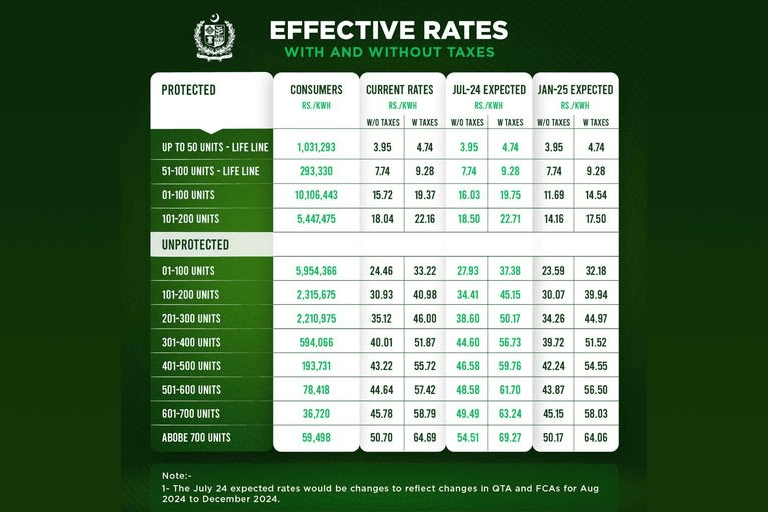
Introduction
The cost of electricity in Pakistan has been a critical topic for households, businesses, and policymakers alike. Rising electricity bills, load-shedding, and fluctuating tariffs have a direct impact on economic growth and daily life. Understanding the reasons behind electricity pricing, its historical trends, and future outlook is essential for consumers, investors, and energy planners.
This article explores the factors affecting electricity costs, regional differences, government policies, and potential solutions, contributing to a Mazboot Pakistan through informed energy management.
Historical Overview
Over the past decades, Pakistan has faced increasing demand for electricity due to population growth, industrialization, and urbanization. Despite investments in power generation, issues such as fuel dependency, transmission losses, and circular debt have affected electricity affordability.
- 1990s-2000s: Reliance on thermal power with high fuel costs.
- 2010s: Introduction of renewable energy projects and subsidies.
- Recent Years: Gradual tariff adjustments reflecting production costs and international fuel prices.
Factors Affecting the Cost of Electricity
-
Fuel Costs
Pakistan imports a significant portion of its energy fuels, including oil and LNG. Fluctuating global prices directly influence electricity tariffs.
-
Transmission and Distribution Losses
Outdated infrastructure causes line losses, theft, and inefficiencies, increasing overall costs for consumers.
-
Currency Exchange Rates
As energy imports are priced in USD, depreciation of the Pakistani Rupee can lead to higher electricity bills.
-
Government Policies and Subsidies
Tariff adjustments, subsidies for low-income households, and renewable energy incentives impact electricity pricing.
-
Seasonal Demand Variations
Summer months often see higher demand due to air conditioning, resulting in peak pricing and occasional load-shedding.
Current Trends in Electricity Pricing
- Residential tariffs vary across provinces: Punjab, Sindh, Khyber Pakhtunkhwa, and Balochistan have different rates due to provincial regulatory authorities.
- Industrial and commercial tariffs are generally higher than residential rates.
- Renewable energy adoption, including solar and wind, is gradually helping to stabilize long-term costs.
Regional Impact
- Urban areas generally have better access but face higher consumption bills.
- Rural regions often struggle with intermittent supply and may rely on expensive generators.
- Efforts are being made to expand the national grid to underserved areas.
Steps to Reduce Electricity Costs
- Energy Conservation: Efficient appliances, LED lighting, and mindful usage.
- Renewable Adoption: Solar panels for homes and businesses reduce reliance on grid electricity.
- Government Initiatives: Load management, subsidy programs, and energy-efficient policies.
- Smart Metering: Monitoring consumption helps consumers optimize electricity usage.
Role of Renewable Energy
Pakistan is investing in renewable energy projects to reduce dependence on imported fuels:
- Quaide-Azam Solar Park – Punjab
- Jhimpir Wind Farms – Sindh
- Neelum-Jhelum Hydro Project – Azad Kashmir
These projects aim to stabilize electricity supply and eventually reduce costs for consumers.
Conclusion
The cost of electricity in Pakistan reflects a combination of fuel prices, infrastructure efficiency, government policies, and seasonal demand. While challenges remain, adopting renewable energy, efficient usage, and policy reforms can help stabilize costs and support economic growth. By focusing on sustainable solutions and informed consumption, Pakistan can strengthen its energy sector, contributing to a Mazboot Pakistan for future generations.
Frequently Asked Questions – Cost of Electricity in Pakistan
What is the current average electricity rate in Pakistan?
Rates vary by province and category, ranging from around PKR 15 to 25 per unit for residential users.
Why is electricity expensive in Pakistan?
High fuel import costs, transmission losses, and policy-related adjustments contribute to higher tariffs.
How can households reduce electricity bills?
Use energy-efficient appliances, adopt renewable energy, and monitor usage through smart meters.
Are there government subsidies for electricity?
Yes, Pakistan offers subsidies for low-income households and some renewable energy incentives.
Will electricity prices decrease in the future?
With investments in renewable energy and improved infrastructure, long-term stabilization is expected, though global fuel prices may still influence costs.