
Introduction
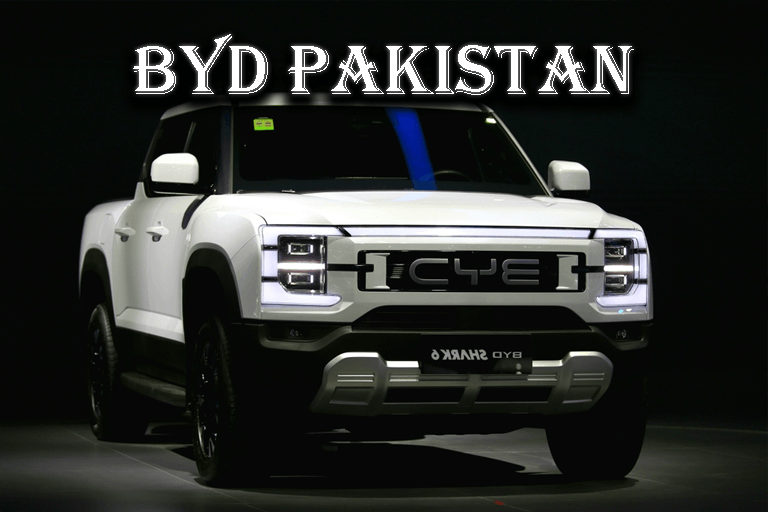
The entry of BYD Pakistan marks a major milestone in the country’s automotive and clean energy journey. BYD (Build Your Dreams), one of the world’s leading electric vehicle (EV) manufacturers, is globally recognized for its innovation in electric cars, buses, batteries, and sustainable transport solutions. With Pakistan gradually shifting toward greener mobility, BYD’s presence is being closely watched by consumers, investors, and policymakers.
As fuel prices rise and environmental concerns grow, electric vehicles are gaining attention in Pakistan. This article explores BYD Pakistan, its expected offerings, market impact, challenges, and the role it can play in transforming the local automotive industry.
What Is BYD and Why It Matters
BYD is a Chinese multinational company specializing in electric and hybrid vehicles, rechargeable batteries, and energy storage solutions. Operating in dozens of countries, BYD competes with global EV giants and supplies electric buses and cars to major cities worldwide.
The arrival of BYD Pakistan is significant because it introduces advanced EV technology into a market that has long relied on petrol and diesel vehicles. It also signals growing international confidence in Pakistan’s automotive potential.
BYD Pakistan and the EV Market
Pakistan’s EV market is still in its early stages, but interest is rising rapidly. Government policies encouraging electric mobility, combined with rising fuel costs, have created space for international brands.
BYD Pakistan is expected to focus on:
- Electric passenger cars
- Hybrid vehicles
- Electric buses for urban transport
- Battery and charging technology
These offerings can help diversify Pakistan’s auto sector and reduce reliance on imported fuel.
Expected BYD Vehicles in Pakistan
While official lineups may evolve, BYD Pakistan is widely expected to introduce popular global models known for performance and efficiency.
Electric Cars
BYD electric cars are known for long battery range, safety-focused blade battery technology, and modern design. These vehicles could appeal to urban professionals and environmentally conscious buyers.
Hybrid Vehicles
Hybrid models may act as a transition option for Pakistani consumers not yet ready for fully electric cars.
Electric Buses
BYD electric buses can support Pakistan’s public transport systems, reducing pollution in major cities like Karachi, Lahore, and Islamabad.
Why BYD Pakistan Is Important for Sustainability
Transportation is a major contributor to air pollution in Pakistan. Smog, fuel emissions, and traffic congestion are serious urban challenges. BYD Pakistan supports sustainability in several ways:
- Zero tailpipe emissions from electric vehicles
- Reduced dependence on imported fuel
- Lower long-term operating costs
- Support for climate and clean energy goals
These benefits align with Pakistan’s broader environmental and development objectives.
Economic Impact of BYD Pakistan
The entry of BYD into Pakistan can have wide economic effects:
Job Creation
From sales and servicing to charging infrastructure and logistics, BYD Pakistan can generate skilled and semi-skilled jobs.
Technology Transfer
Advanced EV and battery technology can help upgrade local automotive knowledge and expertise.
Industry Competition
BYD’s presence may push local and international brands to innovate, improve quality, and offer better pricing.
Challenges Facing BYD Pakistan
Despite strong potential, BYD Pakistan also faces challenges:
Limited Charging Infrastructure
Pakistan currently lacks widespread EV charging stations, especially outside major cities.
High Initial Cost
Electric vehicles still cost more upfront than conventional cars, which may limit adoption.
Power Supply Concerns
Reliable electricity supply is essential for EV growth, requiring parallel improvements in the energy sector.
Consumer Awareness
Many consumers are unfamiliar with EV maintenance, range, and long-term benefits.
Addressing these challenges will be critical for the long-term success of BYD Pakistan.
Government Policies and Support
Pakistan has introduced EV policies aimed at encouraging electric mobility through reduced duties, incentives, and long-term planning. If implemented effectively, these policies can support BYD Pakistan by:
- Making EVs more affordable
- Encouraging private charging networks
- Supporting electric public transport
Public-private collaboration will play a key role in EV adoption.
BYD Pakistan vs Traditional Vehicles
Compared to petrol and diesel cars, BYD electric vehicles offer:
- Lower running and maintenance costs
- Quieter driving experience
- Fewer mechanical parts
- Environment-friendly operation
As fuel prices remain unstable, these advantages make BYD Pakistan increasingly attractive.
Future Outlook of BYD Pakistan
The future of BYD Pakistan depends on infrastructure development, policy consistency, and consumer acceptance. As awareness grows and charging networks expand, electric vehicles are expected to move from niche to mainstream.
With urbanization, environmental pressure, and rising fuel costs, BYD’s entry comes at a crucial time for Pakistan’s automotive evolution.
Conclusion
BYD Pakistan represents far more than the entry of a new automotive brand into the local market—it marks a significant step toward cleaner transportation, advanced technology, and sustainable national development. As one of the world’s leading electric vehicle manufacturers, BYD brings innovation, efficiency, and environmental responsibility to Pakistan’s evolving mobility landscape. Its presence highlights a growing shift away from traditional fuel-dependent transport toward smarter, energy-efficient solutions that align with global sustainability goals.
The introduction of electric vehicles through BYD Pakistan offers long-term benefits that extend beyond individual consumers. Reduced fuel dependency, lower emissions, and decreased operating costs can positively impact the economy, public health, and the environment. While challenges such as charging infrastructure, initial vehicle costs, and consumer awareness still exist, these obstacles are not insurmountable. With coordinated efforts between the government, private sector, and energy providers, Pakistan can develop a robust EV ecosystem that supports widespread adoption.
Supportive government policies, investment in charging networks, incentives for clean energy, and public education will be critical in unlocking the full potential of electric mobility. As infrastructure improves and technology becomes more accessible, electric vehicles can become a practical and attractive option for a wider segment of the population.
In the long run, BYD Pakistan has the potential to transform the country’s transportation sector by encouraging innovation, reducing environmental impact, and strengthening energy security. Embracing electric mobility today will pave the way for a cleaner, more resilient, and forward-looking transport system—one that contributes to economic progress, environmental sustainability, and the vision of a stronger, more innovative, and truly Mazboot Pakistan.
Frequently Asked Questions – BYD Pakistan
Q1: What is BYD Pakistan?
BYD Pakistan refers to the entry and operations of BYD electric and hybrid vehicles in Pakistan.
Q2: Are BYD electric cars available in Pakistan?
BYD vehicles are being introduced gradually, with expected launches of electric and hybrid models.
Q3: Are BYD cars suitable for Pakistan’s roads?
Yes, BYD vehicles are designed for diverse conditions and are used globally in similar markets.
Q4: Will BYD Pakistan help reduce fuel costs?
Electric vehicles significantly reduce fuel expenses compared to petrol or diesel cars.
Q5: Does Pakistan have charging stations for BYD EVs?
Charging infrastructure is limited but expanding, especially in major cities.