
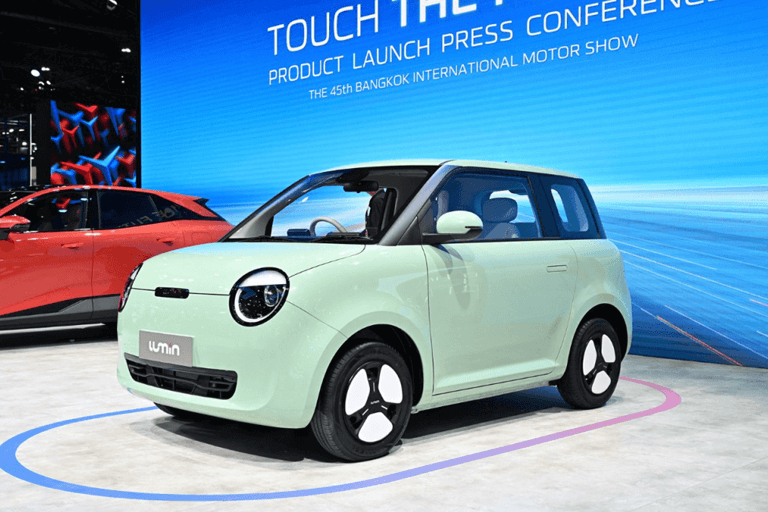
The automotive industry in Pakistan is witnessing a transformative shift with the growing adoption of Electric Vehicle Pakistan (EV). Electric mobility is not just an emerging trend; it is a necessity to tackle environmental pollution, reduce dependency on fossil fuels, and promote sustainable economic growth. Pakistan’s government and private sector are increasingly investing in EV technology, infrastructure, and policies to make electric vehicles more accessible to the public.
What is an Electric Vehicle (EV)?
An electric vehicle (EV) is a vehicle powered entirely or partially by electricity rather than traditional petrol or diesel. EVs use electric motors and rechargeable batteries to propel the vehicle, making them more energy-efficient and eco-friendly compared to internal combustion engine (ICE) vehicles.
Current Status of Electric Vehicle Pakistan
In 2025, Pakistan has witnessed a significant rise in EV adoption due to government incentives, awareness campaigns, and increased interest from private investors. Major automakers and startups are now producing and importing electric cars, bikes, and scooters to meet growing demand.
Popular EV Models in Pakistan
- MG ZS EV – A fully electric SUV with advanced safety and technology features.
- Neo Electric Scooter – Affordable two-wheeler for urban commuters.
- BYD e6 – Electric sedan gaining attention among corporate fleets.
- Pakistani Startups EV Models – Local startups are launching small EVs suitable for city commuting.
Advantages of Electric Vehicle Pakistan
- Environmental Benefits
EVs produce zero tailpipe emissions, reducing air pollution in major cities like Karachi, Lahore, and Islamabad. - Lower Fuel Costs
Electricity is cheaper than petrol and diesel, making EVs cost-effective in the long run. - Government Incentives
Tax reductions, customs duty exemptions, and EV-friendly policies encourage buyers and manufacturers. - Reduced Noise Pollution
EVs are quieter compared to conventional vehicles, contributing to less noise pollution in urban areas. - Maintenance Efficiency
Fewer moving parts in electric motors reduce maintenance and repair costs.
Challenges Facing EV Adoption in Pakistan
- Lack of Charging Infrastructure
EV charging stations are limited to major cities, making long-distance travel challenging. - High Initial Cost
Despite incentives, EVs are generally more expensive upfront than traditional vehicles. - Battery Technology and Range Anxiety
Limited range of some EVs and battery degradation are concerns for potential buyers. - Public Awareness
Many people are still unfamiliar with EV benefits, limiting adoption rates.
Government Policies Supporting EVs
The Pakistani government has introduced several policies to promote EV adoption:
- EV Policy 2023: Offers tax exemptions and incentives for EV manufacturers and buyers.
- Local Assembly Encouragement: Support for local EV assembly and manufacturing plants.
- Infrastructure Development: Plans to establish EV charging stations across highways and urban areas.
Future of Electric Vehicles in Pakistan
Experts predict that Pakistan could see over 500,000 electric vehicles on roads by 2030, given the current rate of investment and policy support. The expansion of renewable energy, combined with urban air quality concerns, will further drive EV adoption.
Tips for Buying an Electric Vehicle in Pakistan
- Compare models for range and battery life.
- Check for government incentives and tax rebates.
- Evaluate charging infrastructure availability in your city.
- Consider long-term maintenance and cost savings.
Conclusion
The future of transportation in Pakistan is increasingly shifting toward electric mobility, reflecting the nation’s commitment to sustainable and modern infrastructure. While challenges like limited charging infrastructure, high upfront costs, and public awareness remain, government incentives, rising environmental concerns, and wider availability of electric vehicles are making EV adoption more practical for urban commuters. Embracing electric mobility today not only contributes to a cleaner and greener environment but also strengthens Pakistan’s economic efficiency and technological progress. By supporting such initiatives, we take a significant step toward building a Mazboot Pakistan with smarter, eco-friendly, and future-ready transportation solutions.
Frequently Asked Questions
Q1: Are electric vehicles available in Pakistan?
A1: Yes, several EV models from local and international manufacturers are now available in Pakistan, including cars, scooters, and bikes.
Q2: What are the benefits of electric vehicles in Pakistan?
A2: EVs offer lower fuel costs, reduced maintenance, environmental benefits, government incentives, and quieter rides.
Q3: What challenges do EV buyers face in Pakistan?
A3: Limited charging infrastructure, high initial costs, range anxiety, and lack of public awareness are key challenges.
Q4: Is Pakistan supporting EV production?
A4: Yes, the government offers tax incentives, promotes local assembly, and plans to expand EV charging infrastructure nationwide.