
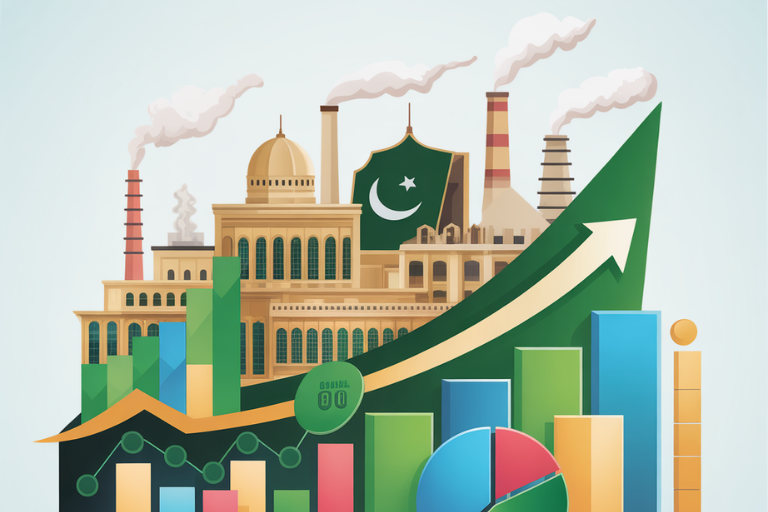
Pakistan’s economy reforms has faced numerous challenges over the decades, including fiscal deficits, inflation, unemployment, and trade imbalances. To address these issues, Pakistan has implemented a series of economic reforms aimed at stabilizing the economy, attracting investment, and promoting sustainable growth.
What Are Pakistan Economy Reforms?
Economic reforms refer to government-led measures designed to improve economic efficiency, promote investment, and ensure fiscal stability. In Pakistan, these reforms often focus on areas such as taxation, public sector restructuring, monetary policies, trade liberalization, and regulatory frameworks.
The primary goal is to boost economic growth, reduce poverty, and enhance competitiveness in the global market.
Key Areas of Pakistan Economy Reforms
- Taxation and Fiscal Reforms
- Introduction of broad-based tax policies to increase revenue collection
- Simplification of tax procedures for individuals and businesses
- Crackdown on tax evasion and informal economy practices
- Monetary Policy Reforms
- Measures by the State Bank of Pakistan (SBP) to control inflation
- Interest rate adjustments to stimulate investment and consumption
- Strengthening currency stability and foreign exchange reserves
- Trade and Investment Reforms
- Incentives for foreign direct investment (FDI)
- Simplified export-import procedures
- Development of special economic zones (SEZs) under CPEC and other initiatives
- Privatization and Public Sector Reforms
- Privatization of underperforming state-owned enterprises (SOEs)
- Improved governance and accountability in public institutions
- Encouraging private sector participation in key industries
- Energy Sector Reforms
- Efforts to reduce circular debt in energy companies
- Promotion of renewable energy projects
- Subsidy rationalization to ensure financial sustainability
- Social and Human Capital Reforms
- Programs targeting poverty alleviation and employment
- Education and skill development initiatives
- Healthcare reforms to improve productivity
Impacts of Economic Reforms in Pakistan
- Increased Investment: Policies promoting FDI and ease of doing business have led to higher foreign investments.
- Enhanced Revenue Collection: Tax reforms have expanded the tax base and improved government revenue.
- Controlled Inflation: Monetary and fiscal measures have helped curb inflationary pressures.
- Job Creation: Reforms in energy, industrial, and social sectors have generated employment opportunities.
- Global Competitiveness: Trade liberalization and export incentives have strengthened Pakistan’s position in international markets.
Challenges in Implementing Economic Reforms
Despite these efforts, Pakistan faces several hurdles:
- Political instability and frequent policy changes
- Resistance from interest groups and bureaucratic hurdles
- Dependence on foreign loans and aid
- Structural weaknesses in industries and infrastructure
Future Outlook
Pakistan’s future economic outlook depends heavily on the continuity and successful implementation of Pakistan Economy Reforms across critical sectors. Long-term progress will require deeper changes in taxation, education, infrastructure, and the energy industry to strengthen productivity and reduce financial pressure on the public. Moving forward, transparent governance, institutional accountability, and firm anti-corruption measures will be essential to restoring investor confidence and reducing reliance on external support. If Pakistan stays committed to structural reforms, encourages private-sector growth, and supports human capital development, the nation can achieve macroeconomic stability, attract sustainable investment, and secure inclusive economic growth for its citizens.
Frequently Asked Questions
Q1: What are Pakistan’s main economic reforms?
A1: They include tax reforms, monetary policy adjustments, trade liberalization, privatization, energy sector reforms, and human capital development.
Q2: How have economic reforms impacted Pakistan?
A2: They have improved revenue collection, attracted investment, controlled inflation, created jobs, and enhanced global competitiveness.
Q3: What challenges does Pakistan face in economic reform implementation?
A3: Political instability, resistance from vested interests, structural weaknesses, and dependency on foreign aid are key challenges.
Q4: What is the future outlook of Pakistan’s economy?
A4: Strategic reforms in taxation, energy, education, and infrastructure, along with transparent governance, can lead to sustainable economic growth.
Conclusion
Pakistan Economy Reforms have laid an important foundation for long-term stability, investment, and growth. While progress is visible in areas like taxation, monetary policy, and trade, meaningful results depend on consistent implementation and political continuity. The country must overcome structural weaknesses, improve governance, and reduce reliance on external borrowing to achieve real progress. By prioritizing human capital, energy reform, and industrial expansion, Pakistan can move toward a stronger and more resilient economy — a truly Mazboot Pakistan that supports jobs, innovation, and sustainable development.