
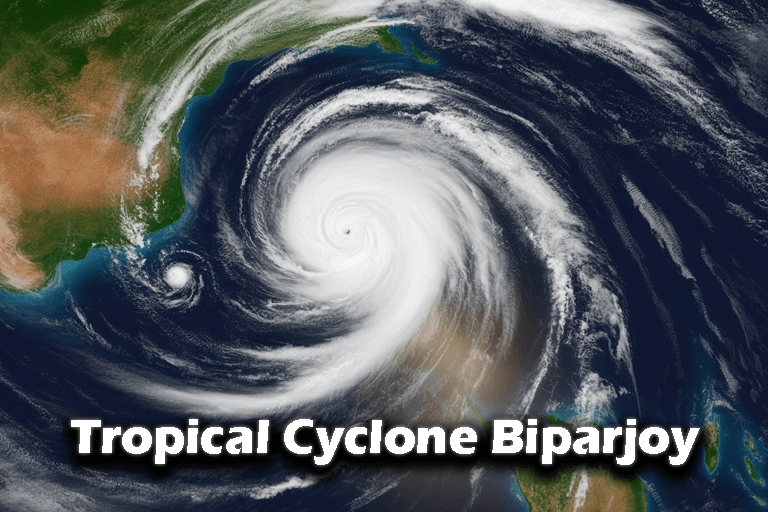
Introduction to Tropical Cyclone Biparjoy
Tropical Cyclone Biparjoy was one of the most significant and widely discussed cyclonic storms in the Arabian Sea in recent years. The cyclone drew national and international attention due to its unusual intensity, long duration, and potential threat to coastal regions, particularly Pakistan and neighboring countries.
As climate patterns continue to change, cyclones like Biparjoy underline the importance of early warning systems, disaster preparedness, and public awareness. This article provides a complete overview of Tropical Cyclone Biparjoy, including its formation, movement, impact on Pakistan, and lessons learned.
What Is Tropical Cyclone Biparjoy?
Tropical Cyclone Biparjoy was a severe cyclonic storm that developed over the Arabian Sea. The name “Biparjoy,” meaning disaster or calamity, was assigned according to the regional cyclone naming system.
The cyclone gained strength rapidly due to warm sea surface temperatures, low wind shear, and favorable atmospheric conditions. It remained active for several days, making it one of the longest-lasting cyclones recorded in the region.
Formation and Development of Cyclone Biparjoy
Cyclone Biparjoy originated from a low-pressure system over the Arabian Sea. Over time, it intensified into a severe tropical cyclone.
Key factors behind its development included:
- Exceptionally warm ocean waters
- High moisture levels in the atmosphere
- Stable upper-level winds
- Extended time over open sea
These conditions allowed Biparjoy to strengthen and sustain its intensity for an extended period.
Path and Movement of Tropical Cyclone Biparjoy
Unlike many cyclones that follow a straightforward path, Biparjoy exhibited slow and unpredictable movement. This made forecasting challenging and increased concerns for coastal populations.
The cyclone moved across the Arabian Sea, posing a threat to:
- Coastal Pakistan
- Southern Sindh
- Parts of Balochistan
- Neighboring coastal regions
Meteorological departments closely monitored its trajectory to issue timely alerts.
Impact of Cyclone Biparjoy on Pakistan
Coastal Areas and Weather Conditions
In Pakistan, Cyclone Biparjoy primarily affected coastal regions, particularly areas near Sindh and Balochistan. While the cyclone weakened before landfall, it still caused significant weather disturbances.
Reported impacts included:
- Strong winds
- High sea waves
- Heavy rainfall in coastal districts
- Disruption of fishing activities
- Temporary evacuation of residents
Authorities took preventive measures to minimize damage and loss of life.
Government Response and Safety Measures
The Pakistani government and disaster management authorities implemented proactive safety measures ahead of the cyclone.
These included:
- Early warnings by the Pakistan Meteorological Department
- Evacuation plans for vulnerable coastal communities
- Closure of ports and suspension of fishing activities
- Emergency response teams on standby
These steps played a crucial role in reducing potential casualties and damage.
Role of Meteorological Forecasting
Tropical Cyclone Biparjoy highlighted the importance of accurate weather forecasting and communication. Advanced satellite monitoring and weather models helped authorities track the cyclone’s intensity and movement.
Timely dissemination of information through media and digital platforms ensured that people remained informed and prepared.
Climate Change and Increasing Cyclone Activity
Experts believe that climate change is contributing to the increasing frequency and intensity of cyclones in the Arabian Sea. Warmer ocean temperatures provide more energy for storms like Biparjoy.
Key climate-related concerns include:
- More intense cyclones
- Longer storm durations
- Increased rainfall and flooding risks
- Greater threat to coastal infrastructure
Cyclone Biparjoy serves as a reminder of the growing climate challenges faced by the region.
Lessons Learned from Cyclone Biparjoy
Several important lessons emerged from this event:
- Early warning systems save lives
- Public awareness is essential
- Coastal infrastructure needs strengthening
- Disaster preparedness must be continuous
Communities and authorities alike must remain vigilant to face future weather threats.
Frequently Asked Questions (FAQs)
What was Tropical Cyclone Biparjoy?
It was a severe tropical cyclone that developed over the Arabian Sea and affected coastal regions, including Pakistan.
Did Cyclone Biparjoy hit Pakistan directly?
The cyclone weakened before major landfall but caused strong winds, rain, and high waves along Pakistan’s coast.
Why was Cyclone Biparjoy significant?
It was notable for its intensity, long duration, and unpredictable movement.
How can people stay safe during cyclones?
By following official advisories, evacuating when instructed, and staying informed through reliable sources.
Conclusion
Tropical Cyclone Biparjoy was a major weather event that tested disaster preparedness systems in the region. While its impact on Pakistan was managed through timely action, the cyclone highlighted the growing risks posed by climate change and extreme weather events.
Informative platforms like Mazboot Pakistan play an important role in spreading awareness about such natural phenomena, helping citizens understand risks, preparedness strategies, and the importance of environmental responsibility.