
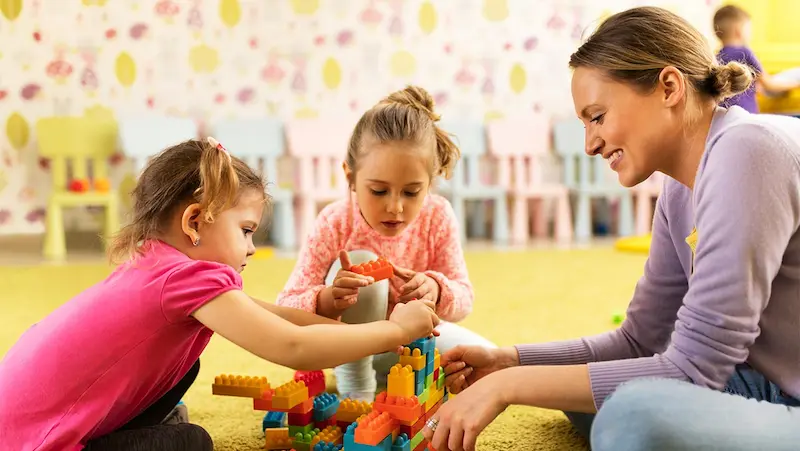
In Pakistan, parenting is an intricate dance between rich cultural traditions and the rapid changes brought about by modernity. As families strive to maintain their heritage while embracing contemporary practices, the challenges and opportunities in parenting become increasingly complex. This blog explores how Pakistani parents can effectively navigate this duality, fostering an environment that honors tradition while preparing children for the future.
The Cultural Landscape
Pakistan is a country steeped in diverse cultures, languages, and traditions. Family values are paramount, with extended families often living together or maintaining close ties. This familial network provides a strong support system but can also impose expectations that may clash with modern parenting ideals. For instance, traditional roles often dictate how children are raised, with distinct expectations for boys and girls.
Parents might feel torn between adhering to these cultural norms and allowing their children the freedom to explore their individuality. The challenge lies in finding a balance that respects cultural values while promoting progressive thinking.
Embracing Education
One of the most significant areas where tradition and modernity intersect is education. In Pakistan, the educational landscape is varied, with options ranging from traditional madrasas to modern international schools. Parents often grapple with the decision of where to send their children, weighing the importance of religious education against a curriculum that prepares them for global citizenship.
Modern parents are increasingly recognizing the value of critical thinking, creativity, and problem-solving skills, leading them to choose schools that emphasize these qualities. However, the pressure to conform to traditional expectations can make this decision daunting. Parents should strive to remain informed about different educational approaches and seek schools that align with their values while also preparing their children for a rapidly changing world.
Mental Health Awareness
Mental health is another critical area where traditional views often conflict with modern understanding. In many Pakistani households, mental health issues are stigmatized, leading to a lack of open discussion and support. Parents may struggle to address their children’s emotional needs, particularly when societal norms discourage vulnerability.
Encouraging open conversations about mental health can foster a more supportive environment. Parents can educate themselves about mental well-being and seek professional help when needed. By modeling healthy emotional expression, they can help their children develop resilience and coping strategies essential for navigating life’s challenges.
Digital Parenting
The rise of technology presents both opportunities and challenges for Pakistani parents. While digital literacy is crucial for success in the modern world, managing screen time and ensuring online safety are significant concerns. Many parents may feel overwhelmed by the constant presence of technology in their children’s lives.
Establishing clear boundaries around technology use can help. Parents can engage their children in discussions about online safety, appropriate content, and the importance of balance in life. By incorporating technology into family activities, such as educational games or joint screen time for learning, parents can embrace modern tools while still promoting family bonding.
The Role of Extended Family
The extended family plays a vital role in Pakistani culture, providing a safety net for parents and children alike. While this support can be invaluable, it can also create tension when parenting styles clash. Grandparents may have traditional views that conflict with modern parenting practices, leading to disagreements that can affect family dynamics.
Open communication is essential in navigating these differences. Parents should involve extended family members in discussions about their parenting choices, explaining the reasoning behind their approaches. By fostering mutual respect and understanding, families can create an environment that honors tradition while accommodating modern values.
Gender Roles and Expectations
Raising sons and daughters in Pakistan often comes with differing expectations shaped by cultural norms. Traditional views may promote specific roles for boys and girls, potentially limiting opportunities for both genders. Parents today are increasingly recognizing the importance of equal opportunities and are working to challenge these norms.
Encouraging both sons and daughters to pursue their interests, whether in academics, sports, or the arts, is crucial. Parents can instill values of equality and respect, teaching their children to appreciate diverse perspectives and capabilities. By breaking free from rigid gender roles, parents can empower their children to forge their own paths.
Coping with Socioeconomic Challenges
Socioeconomic factors can significantly impact parenting in Pakistan. Many families face financial hardships, making it challenging to provide for their children’s needs. In such situations, parents must prioritize emotional support and resilience over material wealth.
Encouraging gratitude, resourcefulness, and hard work can help children appreciate what they have while also motivating them to strive for more. Parents can foster a growth mindset, emphasizing that challenges can be overcome through perseverance and determination.
Conclusion
A Guide to Parenting in Pakistan is the ultimate resource for parents who want to raise confident, responsible, and successful children. Following A Guide to Parenting in Pakistan helps parents implement strategies that build emotional intelligence, discipline, creativity, and resilience in children. A Guide to Parenting in Pakistan emphasizes the importance of strong family bonds, effective communication, and guidance to ensure that children grow into well-rounded individuals.
By practicing the principles in A Guide to Parenting in Pakistan, families can provide a nurturing environment where children learn values, responsibility, and social skills. A Guide to Parenting in Pakistan addresses modern challenges like digital exposure, mental health, and peer pressure, equipping parents with the tools they need to raise aware and capable children. The insights shared in A Guide to Parenting in Pakistan empower parents to make informed decisions, encourage healthy habits, and inspire lifelong learning.
As highlighted by Mazboot Pakistan, prioritizing A Guide to Parenting in Pakistan is essential for shaping the next generation. By following A Guide to Parenting in Pakistan, parents contribute to a stronger society, raise responsible citizens, and ensure children achieve their full potential. A Guide to Parenting in Pakistan is not just about raising children—it is about building a brighter future for families and a resilient Mazboot Pakistan.
Investing in A Guide to Parenting in Pakistan ensures that children grow up with guidance, care, and the right skills to succeed. The principles in A Guide to Parenting in Pakistan prepare children for life’s challenges, foster confidence, and encourage empathy and creativity. Following A Guide to Parenting in Pakistan creates families that are strong, communities that are supportive, and a nation that is thriving. By embracing A Guide to Parenting in Pakistan, Pakistan can nurture generations of leaders, thinkers, and innovators, contributing to a prosperous and empowered Mazboot Pakistan.