
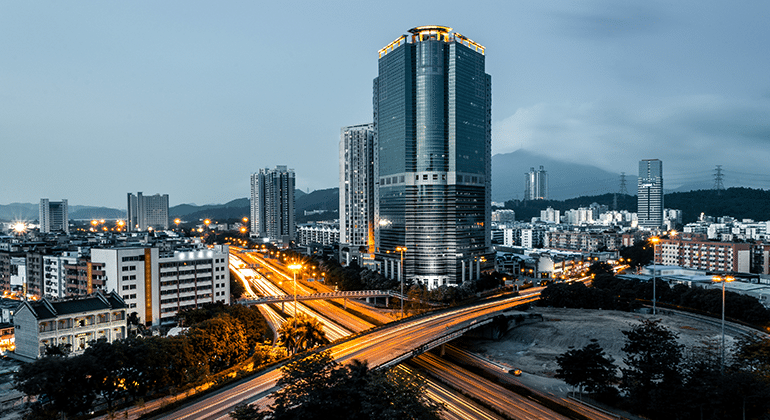
The commercial real estate (CRE) sector in Pakistan is undergoing significant transformation, driven by economic growth, urbanization, and changing consumer behaviors. As the country navigates these shifts, it presents unique opportunities and challenges for investors, developers, and businesses alike. Let’s explore some of the key trends shaping the future of commercial real estate in Pakistan.
1. Urbanization and Population Growth
Pakistan is one of the fastest urbanizing countries in the world. By 2030, it is projected that over 50% of the population will reside in urban areas. This influx is driving demand for commercial spaces such as office buildings, retail outlets, and mixed-use developments. Cities like Karachi, Lahore, and Islamabad are witnessing an increase in infrastructure projects aimed at accommodating this growth, leading to vibrant business districts and modern commercial hubs.
2. E-commerce Boom
The rise of e-commerce has dramatically shifted the retail landscape in Pakistan. With increasing internet penetration and a growing middle class, online shopping is becoming the norm. This trend is influencing the demand for logistics and warehousing spaces. Businesses are seeking strategically located warehouses to facilitate last-mile delivery and improve supply chain efficiency. Developers are responding by creating state-of-the-art logistics parks that cater to this burgeoning sector.
3. Flexible Workspaces
The COVID-19 pandemic has accelerated the shift towards flexible work environments. Coworking spaces and flexible office solutions are gaining traction as companies adapt to hybrid work models. This trend is not only appealing to startups and freelancers but also to established corporations looking to reduce overhead costs. Developers are capitalizing on this by designing spaces that cater to a mix of traditional offices and collaborative work environments.
4. Sustainable Development
Sustainability is becoming a central theme in commercial real estate development. Investors and developers are increasingly focusing on eco-friendly buildings that utilize green technologies and sustainable practices. LEED certification and energy-efficient designs are gaining importance as businesses recognize the long-term benefits of sustainability, both in terms of operational costs and corporate social responsibility.
5. Smart Technology Integration
The integration of smart technologies in commercial spaces is transforming how businesses operate. From automated lighting and HVAC systems to advanced security solutions, technology is enhancing the efficiency and safety of commercial properties. Smart buildings not only improve the tenant experience but also attract businesses looking to leverage innovative solutions for better productivity.
6. Government Policies and Incentives
The Pakistani government is implementing policies to boost investment in the real estate sector. Initiatives such as tax incentives for developers and reduced regulatory hurdles are encouraging both local and foreign investment. The establishment of economic zones and special incentives for certain industries is also driving the growth of commercial real estate in targeted regions.
7. Increased Foreign Investment
As the economic landscape stabilizes, Pakistan is becoming an attractive destination for foreign investors. The potential for high returns, coupled with a growing consumer market, has caught the attention of international players. This influx of foreign capital is not only enhancing the quality of developments but also introducing global best practices to the local market.
Conclusion – Commercial Real Estate in Pakistan
The Commercial Real Estate in Pakistan sector is entering a period of remarkable growth and transformation, offering unprecedented opportunities for investors, developers, and business owners alike. Understanding the dynamics of Commercial Real Estate in Pakistan is essential for making strategic decisions that align with market trends, economic developments, and evolving consumer demands. The growth of urban centers, the rise of e-commerce, and increasing emphasis on sustainable building practices are all shaping the future of Commercial Real Estate in Pakistan, making it a vibrant and promising sector.
Focusing on Commercial Real Estate in Pakistan allows stakeholders to identify emerging opportunities in office spaces, retail hubs, industrial parks, and mixed-use developments. By analyzing the trends driving Commercial Real Estate in Pakistan, investors can maximize returns, developers can design innovative projects, and businesses can secure optimal locations for operations. The sector’s expansion also creates employment opportunities, stimulates economic activity, and contributes to the broader national development agenda.
Embracing Commercial Real Estate in Pakistan aligns with the vision of a Mazboot Pakistan, where infrastructure development, urban planning, and economic growth are interconnected. By promoting sustainable and modern real estate practices, Commercial Real Estate in Pakistan not only strengthens the financial prospects of individual investors but also supports national resilience, urban modernization, and long-term prosperity. Strategic planning, regulatory compliance, and awareness of market trends are crucial to harness the full potential of Commercial Real Estate in Pakistan, ensuring successful ventures and sustainable development.
In conclusion, Commercial Real Estate in Pakistan is more than a sector—it is a cornerstone of economic growth, urban development, and business innovation. By staying informed, investing wisely, and prioritizing sustainability in Commercial Real Estate in Pakistan, stakeholders contribute to building a Mazboot Pakistan, where modern infrastructure, strategic investments, and market innovation pave the way for a thriving, dynamic, and prosperous real estate landscape for years to come.