
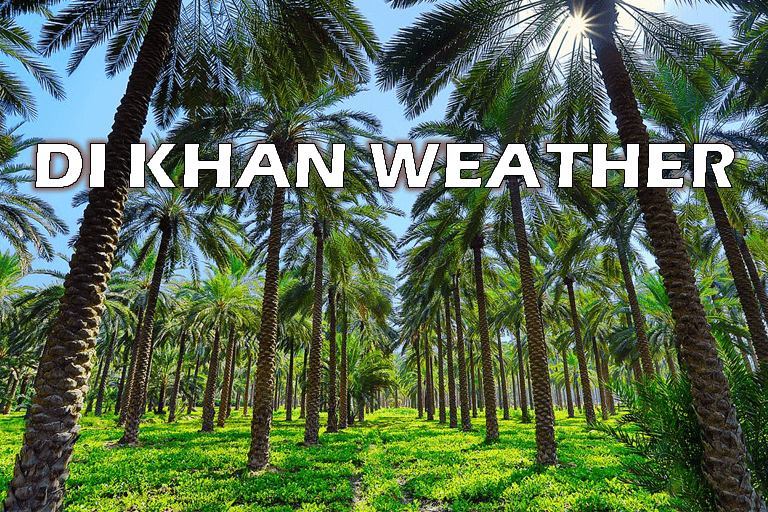
The DI Khan weather is known for its extreme temperature variations, hot summers, mild winters, and occasional rainfall. Located in the southern region of Khyber Pakhtunkhwa (KPK), Dera Ismail Khan (DI Khan) experiences a semi-arid climate, making it one of the warmest districts in the province.
Whether you are a traveler, resident, or planning an outdoor activity, understanding the weather patterns of DI Khan can help you prepare better throughout the year.
Location & Geography Affecting DI Khan Weather
DI Khan is situated near:
- The Indus River
- The foothills of Sulaiman Range
This geographical placement creates:
- Hot and dry winds in summer
- Cooler nights due to desert-like environment
- Occasional monsoon influence
DI Khan Weather – Annual Climate Overview
-
Summer Season (April to September)
- Temperature: 35°C to 45°C
- Peak Heat: May & June
- Weather Nature: Extremely hot, dry, and dusty
- Heatwaves: Common, especially in June
Summer is the longest season in DI Khan. People prefer staying indoors during the daytime and rely heavily on cooling systems.
-
Winter Season (December to February)
- Temperature: 6°C to 15°C
- Weather Nature: Cool, pleasant, and dry
- Cold Winds: Blowing from northern regions
- Rainfall: Light winter showers
Winters are comfortable and ideal for tourism, outdoor dining, and weddings.
-
Monsoon Season (July to September)
- Rainfall: Moderate, but occasional heavy showers
- Weather Impact:
- Temporary drop in temperature
- Increased humidity
- Risk of urban flooding in low-lying areas
DI Khan does not receive heavy monsoon like Punjab, but rainfall can still cause brief disruptions.
-
Spring & Autumn (Short Transitional Months)
- Pleasant winds
- Moderate temperatures
- Clear skies
- Ideal for travel and agriculture
Though short, these seasons bring relief between intense summer and dry winter.
Daily Weather in DI Khan
A typical DI Khan weather day includes:
- Hot afternoons
- Clear skies
- Low humidity (except monsoon)
- Cool nights in winter
- Strong winds during summer
You can check the updated DI Khan forecast using any reliable weather app or website, especially during monsoon and heatwave days.
Weather Challenges in DI Khan
DI Khan’s climate creates several environmental challenges:
-
Heatwaves
One of the hottest regions in KPK.
-
Water Scarcity
Low rainfall results in limited water resources.
-
Dust Storms
Common in late spring and early summer.
-
Agricultural Dependency
Farmers rely heavily on Indus River irrigation rather than rainfall.
Effect on Agriculture
DI Khan is famous for:
- Wheat
- Sugarcane
- Dates
- Citrus
Weather directly impacts crop production, especially during extreme heat or unexpected rains.
Best Time to Visit DI Khan
The ideal months for travel are:
November to February
Cool and pleasant weather, perfect for exploring the city.
Avoid traveling in:
May and June — peak heat season
July and August — monsoon unpredictability
Why Knowing DI Khan Weather Matters?
Understanding DI Khan weather helps with:
- Travel planning
- Farming schedules
- School and outdoor events
- Business and transportation
- Health safety during heatwaves
Locals and visitors rely heavily on seasonal patterns to manage daily life.
Conclusion
The DI Khan weather plays a crucial role in shaping the daily lives, agriculture, and overall lifestyle of residents and visitors in Dera Ismail Khan. With its extreme temperature variations, intense summer heat, mild winters, and occasional monsoon rains, understanding the DI Khan weather is essential for planning travel, outdoor activities, farming schedules, and business operations. Summers in DI Khan can be extremely hot, often exceeding 45°C, making heatwaves a significant challenge, while winters offer a comfortable respite with cool nights and pleasant days. The monsoon season, though moderate compared to other regions, can bring brief heavy showers that affect urban life and agriculture, highlighting the need to stay updated on the DI Khan weather regularly.
Agriculture, a key component of the local economy, is particularly dependent on the weather. Crops like wheat, sugarcane, dates, and citrus fruits rely on predictable weather patterns, irrigation from the Indus River, and timely rainfall. For travelers and residents, being aware of the DI Khan weather ensures preparedness for hot afternoons, dust storms, or sudden rains, improving safety, health, and comfort. Whether planning a visit, scheduling farming activities, or managing day-to-day routines, accurate knowledge of DI Khan weather is invaluable.
By staying informed and prepared, individuals can navigate the challenges of extreme temperatures, dust storms, and seasonal variations effectively. With initiatives like Mazboot Pakistan, communities are encouraged to adopt proactive measures for environmental resilience, water management, and climate adaptation, ensuring that life in DI Khan remains safe, productive, and sustainable despite the region’s unique climatic challenges.