
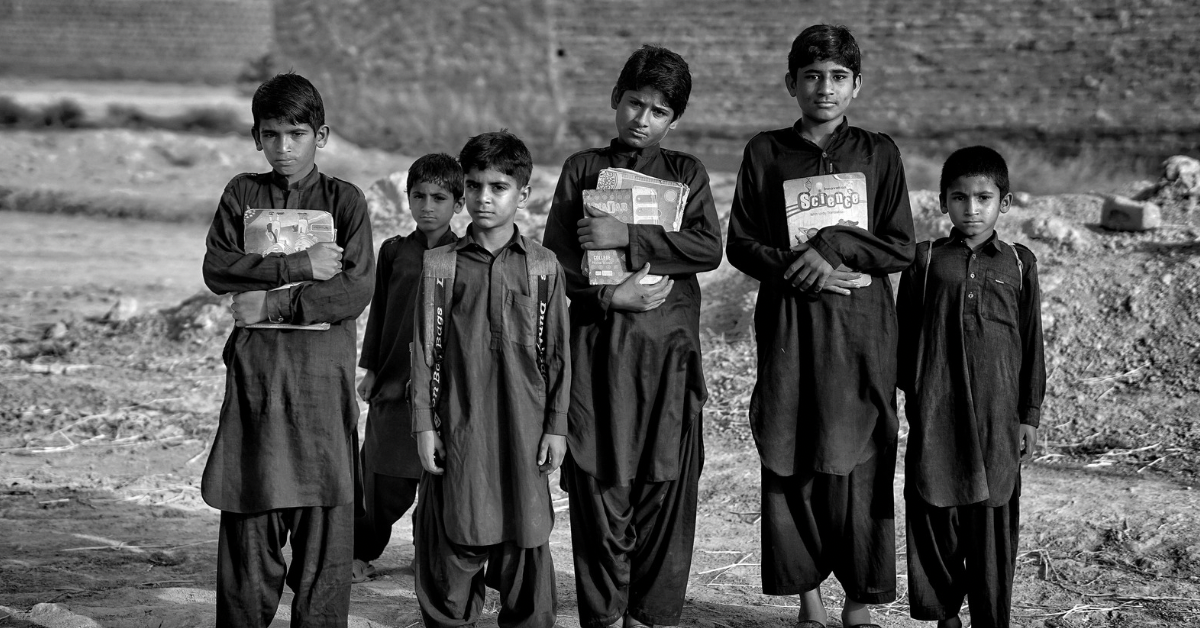
Education plays a vital role in shaping a nation’s future, and 2024 was a year of significant progress for Pakistan in this domain. With a strong focus on empowering the youth and making education accessible, the country took remarkable steps to bridge gaps and pave the way for a brighter future. Here’s how Pakistan moved forward in education this year:
1. New Schools in Underprivileged Areas
To address the challenges faced by underserved communities, several new schools were opened in underprivileged areas across the country. These initiatives aim to provide quality education to children who previously had limited or no access to learning opportunities. By bringing schools closer to these communities, Pakistan has taken a critical step toward reducing educational inequality.
2. Scholarships to Fulfill Dreams
Scholarship programs expanded in 2024, enabling thousands of students from low-income families to pursue their academic aspirations. These scholarships not only covered tuition fees but also provided resources such as books and transportation, ensuring that financial barriers didn’t stand in the way of deserving students achieving their dreams.
3. Nationwide Digital Literacy Programs
In an era defined by technology, digital literacy has become essential. Pakistan introduced and expanded digital literacy programs nationwide, equipping students and professionals with critical tech skills. These programs focused on fundamental computer skills, coding, and internet usage, ensuring that individuals from all backgrounds could contribute to the country’s growing digital economy.
4. Skill-Based Education for Youth
Recognizing the importance of practical knowledge, Pakistan emphasized skill-based education in 2024. Vocational training centers and technical institutes were established and strengthened, offering courses in trades like IT, mechanics, and fashion design. This approach not only prepared the youth for the job market but also fostered entrepreneurship and self-reliance.
5. Public-Private Partnerships Enhancing Infrastructure
Collaboration between the government and private sector played a crucial role in improving educational infrastructure. From building state-of-the-art classrooms to providing modern learning tools, these partnerships ensured students had access to a conducive learning environment. These efforts also included teacher training programs to enhance the quality of education delivered.
Education is the cornerstone of progress, and Pakistan’s advancements in 2024 reflect a commitment to building a knowledgeable and skilled society. By prioritizing accessibility, innovation, and skill development, the nation is ensuring that education remains a powerful tool for empowerment. Together, let’s continue to invest in education for a stronger, more resilient Pakistan.
Conclusion
Education is the foundation of personal growth and national development, shaping individuals into responsible, skilled, and informed members of society. It goes beyond textbooks and classrooms, teaching values such as discipline, tolerance, critical thinking, and problem-solving. Through education, people gain the ability to understand social issues, adapt to change, and contribute meaningfully to their communities. A strong education system plays a vital role in economic progress by producing a skilled workforce, encouraging innovation, and reducing unemployment and poverty. It also empowers individuals to improve their quality of life and make informed choices for themselves and their families.
In Pakistan, education holds the key to long-term stability and prosperity. Access to quality education for all—regardless of gender, background, or location—can help reduce inequality and strengthen social cohesion. Educated citizens are more likely to participate positively in civic life, promote peace, and support democratic values. Moreover, education supports advancements in science, technology, healthcare, and governance, all of which are essential for national progress.
As highlighted by Mazboot Pakistan, prioritizing education is essential for building a strong, self-reliant, and forward-looking nation. Investing in schools, teachers, and modern learning systems ensures that future generations are prepared to face global challenges with confidence. By strengthening education today, Pakistan can secure a brighter, more inclusive, and sustainable future for tomorrow.
1 Comment
Pingback: Child Education Initiatives in 2024 – Mazboot Pakistan: Honoring Heroes & Inspiring Change