
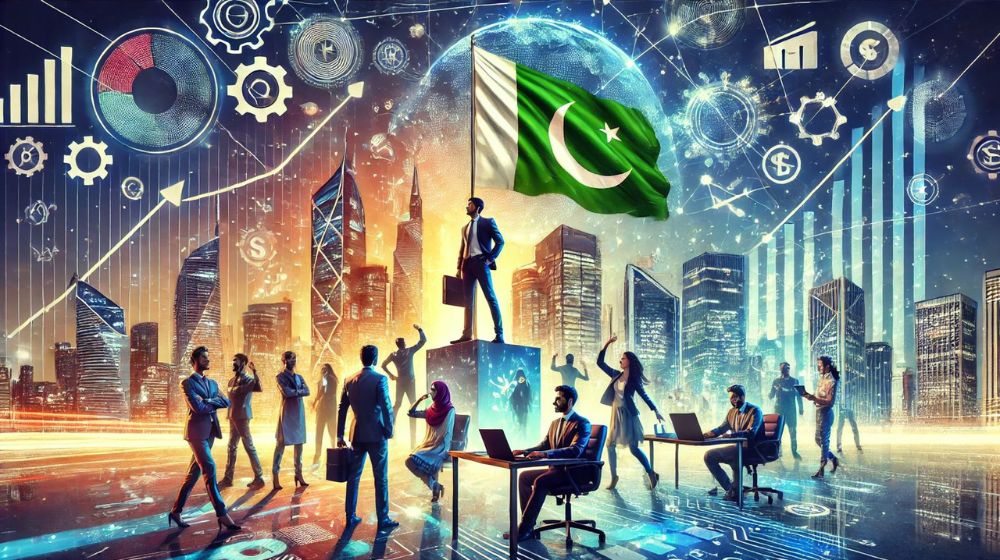
In a rapidly changing world, financial literacy has emerged as a vital skill set that can uplift individuals and communities alike. For Pakistan, a country with immense potential and challenges, the need for financial literacy has never been more pressing. This blog explores the transformative power of financial education and its role in empowering Pakistanis to achieve financial independence and stability.
Understanding Financial Literacy
At its core, financial literacy is the ability to understand and effectively use various financial skills. This includes budgeting, saving, investing, and managing debt. Financial literacy empowers individuals to make informed decisions about their finances, leading to better financial outcomes.
In Pakistan, where a significant portion of the population remains unbanked and lacks access to basic financial services, improving financial literacy is crucial. According to various studies, a large segment of the population is unaware of basic financial concepts, which leads to poor financial decisions and increased vulnerability to economic shocks.
The Importance of Financial Literacy in Pakistan
1. Poverty Alleviation
One of the most direct impacts of financial literacy is its ability to alleviate poverty. Educating individuals about saving, budgeting, and investing can help them manage their limited resources more effectively. For many families in Pakistan, understanding how to save for emergencies or future needs can mean the difference between survival and poverty.
2. Empowering Women
Financial literacy is particularly transformative for women, who often face greater barriers to economic participation. In Pakistan, where gender inequality persists, equipping women with financial skills can empower them to make independent financial decisions. Programs that teach women about budgeting, saving, and entrepreneurship can lead to increased participation in the workforce and greater economic autonomy.
3. Promoting Entrepreneurship
Pakistan is home to a vibrant entrepreneurial spirit, yet many aspiring business owners lack the financial knowledge necessary to launch and sustain their ventures. By fostering financial literacy, we can create a more supportive environment for entrepreneurs. Understanding how to manage cash flow, secure funding, and reinvest profits can significantly enhance the chances of business success, leading to job creation and economic growth.
4. Enhancing Economic Stability
A financially literate population contributes to overall economic stability. When individuals make informed financial decisions, it leads to responsible borrowing, improved credit scores, and reduced default rates. This stability benefits not only individuals but also financial institutions and the broader economy. As people save and invest wisely, they help build a more resilient economic landscape.
5. Encouraging Investment in Education and Health
Financially literate individuals are more likely to prioritize investments in education and health, which are crucial for long-term personal and community development. When people understand the value of saving for their children’s education or investing in healthcare, they contribute to a more educated and healthier society.
Strategies for Promoting Financial Literacy in Pakistan
1. Educational Programs
Government and non-governmental organizations (NGOs) must collaborate to develop comprehensive financial literacy programs tailored to different demographics. Workshops, seminars, and online courses can help reach diverse populations, including youth, women, and rural communities.
2. Incorporating Financial Literacy in School Curricula
Integrating financial education into school curricula from an early age can instill good financial habits in the next generation. Teaching children about saving, budgeting, and the importance of financial planning can set them up for a more secure future.
3. Utilizing Technology
In an increasingly digital world, leveraging technology to spread financial literacy can be highly effective. Mobile applications, social media campaigns, and online tutorials can reach a wide audience, especially the youth who are more tech-savvy.
4. Community-Based Initiatives
Community centers and local organizations can play a crucial role in promoting financial literacy. By conducting workshops and discussions within communities, these initiatives can tailor financial education to the specific needs and cultural contexts of different groups.
5. Collaborating with Financial Institutions
Banks and financial institutions should take an active role in promoting financial literacy. By offering free workshops, resources, and one-on-one consultations, they can help demystify financial products and services for the general public.
Conclusion – Empowering Pakistan
Empowering Pakistan is a vision that focuses on social, economic, and educational growth to build a stronger and more resilient nation. By prioritizing initiatives that empower Pakistan, the country can foster innovation, create job opportunities, and enhance the quality of life for its citizens. The efforts to empower Pakistan include investments in education, skill development, infrastructure, and inclusive policies that ensure every individual can contribute meaningfully to national progress.
Through targeted programs and reforms aimed at empowering Pakistan, communities are strengthened, youth are inspired, and women and marginalized groups gain equal opportunities to thrive. Promoting policies that empower Pakistan ensures that growth is sustainable, equitable, and inclusive, paving the way for long-term stability and prosperity. By focusing on empowering Pakistan, the nation nurtures leadership, entrepreneurship, and innovation, driving economic and social transformation across all sectors.
Aligning these efforts with the vision of a Mazboot Pakistan, empowering Pakistan becomes more than a goal—it becomes a national mission. Each initiative, whether in education, technology, business, or social development, contributes to creating a Mazboot Pakistan, where citizens are capable, confident, and equipped to build a prosperous future.
In conclusion, empowering Pakistan is the foundation for national strength, resilience, and progress. By investing in policies, programs, and communities that empower Pakistan, the country moves closer to achieving a Mazboot Pakistan, where innovation, inclusivity, and sustainable development define the nation’s path toward a brighter, stronger, and more prosperous future.