
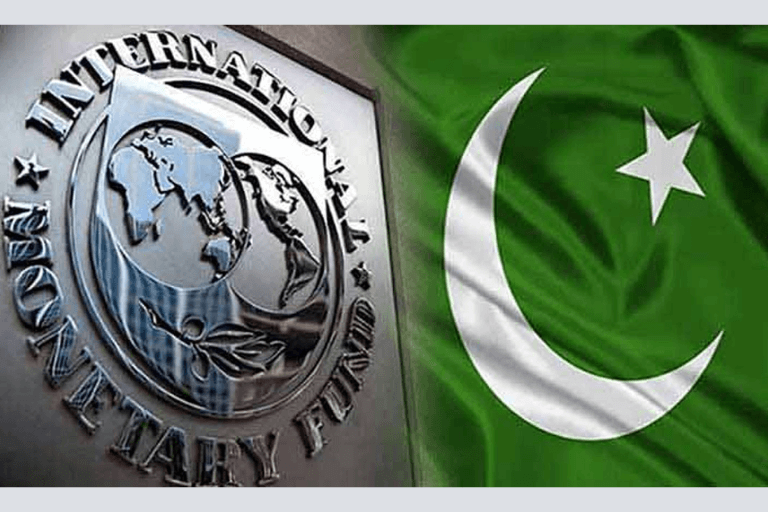
Pakistan’s economy has been under pressure due to rising fiscal deficits, external debt, and balance-of-payments issues. To stabilize the economy and secure financial support, Pakistan has entered into a deal with the International Monetary Fund (IMF). This agreement aims to strengthen macroeconomic stability, promote growth, and restore investor confidence.
What Is the IMF Pakistan Deal?
The IMF Pakistan deal refers to a formal agreement between the Government of Pakistan and the International Monetary Fund to provide financial assistance under specific conditions. These deals often include loans, policy reforms, and technical guidance to help Pakistan manage its economic challenges.
The key objectives of the deal are:
-
Stabilizing Pakistan’s currency and reserves
-
Reducing fiscal deficits
-
Implementing structural reforms to enhance revenue collection
-
Strengthening economic governance and policy frameworks
Key Terms of the IMF Pakistan Deal
-
Financial Assistance
-
The IMF provides Pakistan with tranches of loans to support balance-of-payments needs.
-
These funds help Pakistan maintain foreign exchange reserves, pay for imports, and service debt.
-
-
Economic Reforms
-
Tax reforms to increase government revenue
-
Privatization of selected state-owned enterprises
-
Energy sector reforms to reduce subsidies and circular debt
-
Monetary policies to control inflation
-
-
Monitoring and Compliance
-
Pakistan must meet performance benchmarks agreed upon with the IMF.
-
Regular reviews by the IMF ensure that economic reforms are being implemented effectively.
-
Impacts of the IMF Deal on Pakistan
-
Short-term Relief: The deal provides immediate liquidity support, preventing a currency crisis and stabilizing imports.
-
Market Confidence: Investor and market confidence increases when Pakistan demonstrates commitment to reforms.
-
Inflation Management: IMF conditions often include measures to control inflation and strengthen monetary policy.
-
Structural Reforms: Long-term reforms improve fiscal discipline, revenue collection, and governance.
Criticisms and Challenges
While IMF deals bring financial relief, they also attract criticism:
-
Austerity Measures: Subsidy cuts and tax reforms can increase the cost of living for citizens.
-
Sovereignty Concerns: Some view IMF conditions as external interference in national policy-making.
-
Implementation Risks: Political instability or delays in reforms can reduce the effectiveness of the program.
Frequently Asked Questions
Q1: What is the IMF Pakistan deal about?
A1: It is a financial agreement between Pakistan and the IMF providing loans and requiring economic reforms to stabilize the economy.
Q2: How does the IMF deal affect Pakistan?
A2: It provides short-term liquidity, boosts investor confidence, promotes fiscal discipline, and supports structural reforms.
Q3: Are there any challenges with the IMF deal?
A3: Yes, including austerity measures, sovereignty concerns, and risks in reform implementation.
Q4: What is the future outlook after the IMF deal?
A4: With proper implementation, Pakistan can achieve economic stability, control inflation, and attract foreign investment.
Future Outlook
The success of the IMF Pakistan deal depends on consistent implementation of reforms and maintaining fiscal discipline. If Pakistan meets the IMF’s conditions, it can achieve macroeconomic stability, sustainable growth, and increased foreign investment.