
Introduction
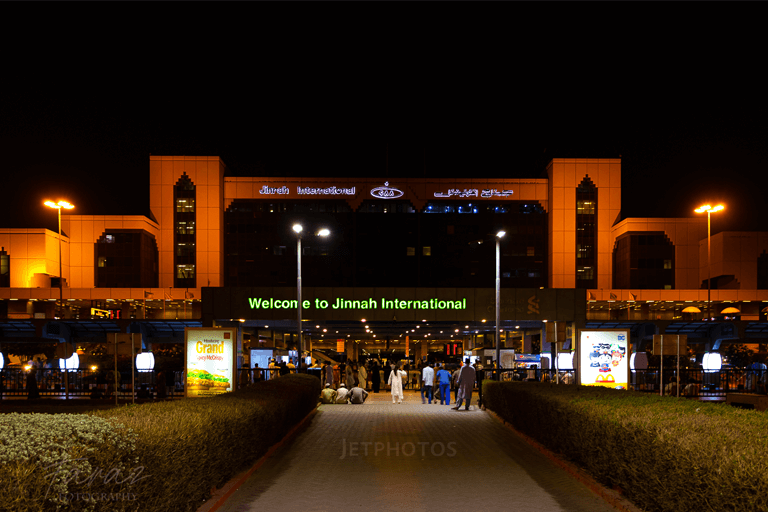
Karachi Airport, officially known as Jinnah International Airport (IATA: KHI), is Pakistan’s largest and busiest airport, serving as the main gateway to the nation for millions of domestic and international travelers each year. Located in Karachi, the economic powerhouse of Pakistan, this airport not only connects the city to the world but also represents a vital part of Pakistan’s aviation and economic development.
Named after the founder of Pakistan, Quaid-e-Azam Muhammad Ali Jinnah, the airport symbolizes both the country’s rich heritage and its ambitions for global connectivity.
A Historical Overview
Jinnah International Airport has a fascinating history that dates back to the British colonial era when Karachi was a small seaport city. The airport started as Drigh Road Airfield in 1927 and quickly gained international importance due to its strategic location for long-haul flights connecting Europe, the Middle East, and Asia.
After Pakistan’s independence in 1947, it became the primary hub for Pakistan International Airlines (PIA) and played a central role in shaping the nation’s aviation history.
Modern Infrastructure and Facilities
Today, Karachi Airport features four terminals — the Jinnah Terminal, Cargo Terminal, Hajj Terminal, and Air Freight Unit — all designed to handle millions of passengers and tons of cargo annually.
- Passenger Services:
Spacious lounges, immigration counters, duty-free shops, ATMs, and dining facilities ensure comfort for travelers. - Airlines and Connectivity:
The airport serves over 30 international airlines, including PIA, Emirates, Qatar Airways, Turkish Airlines, Flydubai, and Etihad Airways, connecting Karachi to destinations across Europe, the Middle East, Asia, and North America. - Cargo Operations:
The airport is a hub for Pakistan’s air freight operations, handling exports such as textiles, seafood, and perishable goods.
Jinnah Terminal – A Symbol of Karachi’s Pride
Inaugurated in 1992, the Jinnah Terminal Complex was built to meet modern aviation standards and accommodate rising air traffic. It’s known for its Islamic architectural design, modern amenities, and efficient passenger flow management.
With an annual capacity of over 12 million passengers, Jinnah Terminal continues to be the heart of Pakistan’s aviation network.
The Role of Karachi Airport in Pakistan’s Economy
Karachi Airport plays a pivotal role in supporting Pakistan’s tourism, business, and trade sectors. It facilitates:
- Tourism growth by providing easy access to destinations like Karachi, Hyderabad, and coastal Balochistan.
- Economic expansion through efficient air cargo and freight services.
- Employment opportunities for thousands of people in logistics, hospitality, and aviation.
Recent Developments and Future Plans
The Civil Aviation Authority (CAA) has announced several modernization initiatives, including:
- Digital boarding systems
- Enhanced security infrastructure
- Smart check-in kiosks
- Expansion of cargo facilities
Future plans include upgrading runways, expanding terminal capacity, and improving passenger experience to make Karachi Airport a regional aviation hub in South Asia.
Traveler Tips for Karachi Airport
If you’re traveling through Karachi Airport, here are a few handy tips:
- Arrive 2-3 hours early for domestic and 4 hours for international flights.
- Use the online check-in option to save time.
- Keep local currency (PKR) for small purchases, as some outlets may not accept foreign cards.
- Book a ride-hailing service (Careem, InDrive) for convenient transport to/from the airport.
Karachi Airport in the Digital Era
Karachi Airport has embraced digital transformation, offering:
- Real-time flight updates on CAA’s website.
- Online services for parking, lounge reservations, and cargo tracking.
- Social media updates through verified accounts for flight alerts and announcements.
Conclusion
Karachi Airport is more than just an aviation facility — it’s a symbol of Pakistan’s progress, connecting the nation to the world with pride, history, and modern efficiency. As the first impression for most international visitors, Jinnah International Airport continues to evolve, reflecting Pakistan’s journey toward innovation and global engagement.