
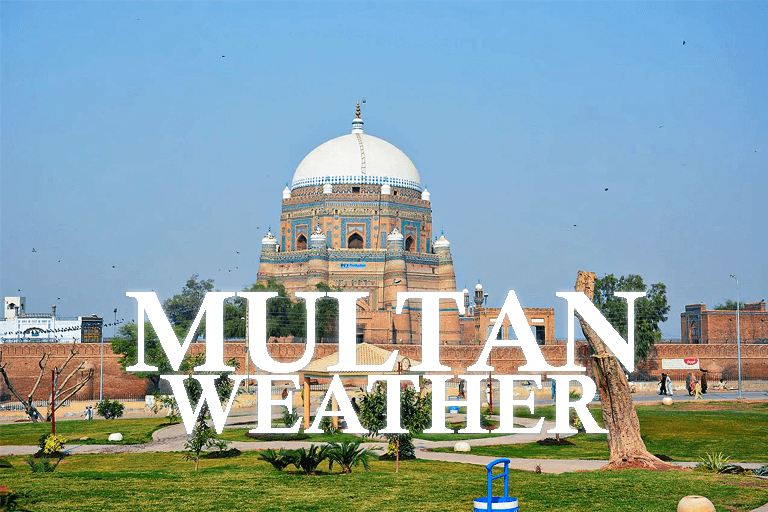
Introduction: Understanding Multan’s Climate
Multan, famously known as the City of Saints, is one of the oldest and hottest cities in Pakistan. Located in southern Punjab, Multan experiences an arid climate, with long, blazing summers and short, mild winters. Because of its geographical position near the Cholistan Desert, the city’s weather patterns are extreme but predictable — a defining feature of life in Multan.
The city’s weather influences not just daily life, but also agriculture, tourism, and business. Understanding Multan Weather trends helps residents and travelers plan better — from attending the Urs festivals to exploring the famous Multan Fort.
Climate Overview of Multan
Multan Weather falls under the semi-arid (BWh) classification according to the Köppen system. This means:
- Summers: Extremely hot, dry, and long (April to September)
- Winters: Short and cool (December to February)
- Rainfall: Limited and mostly concentrated during monsoon months (July–September)
- Humidity: Generally low except during monsoon
Average annual rainfall in Multan ranges from 150mm to 250mm, which is considerably low compared to northern Pakistan.
Multan Summer: The Season of Intense Heat
Summer dominates Multan Weather calendar — lasting almost six months.
From May to August, the temperature often crosses 45°C, with June being the hottest month.
Hot, dusty winds called “Loo” sweep across the plains during this period, making outdoor activities difficult during the day.
However, evenings can be pleasant once the sun sets. Locals often gather at Ghanta Ghar Chowk or along Kachehri Road after sunset to enjoy the cool breeze. For tourists, early mornings and late nights are the best times to explore during summer.
The Monsoon Season in Multan
Multan Weather monsoon season begins in July and continues until early September. While the rainfall is not as heavy as in Lahore or Karachi, these showers bring welcome relief from the extreme summer heat.
During monsoon:
- Average temperature: 30–38°C
- Humidity increases, making the air feel warmer
- Light thunderstorms are common
- Farmers rely on this rainfall for cotton and sugarcane crops
The city’s landscape briefly turns green, and residents enjoy a respite from the dryness — though occasional urban flooding can disrupt daily life.
Winter in Multan: Mild and Enjoyable
Winters in Multan are short but comfortable. Starting around late November and lasting until February, temperatures range between 8°C to 25°C.
This is the best time to visit Multan, especially for tourists who wish to explore cultural and historical landmarks like:
- Shrine of Shah Rukn-e-Alam
- Multan Fort
- Bahauddin Zakariya University gardens
Cold mornings and evenings make it ideal for outdoor sightseeing. Locals also enjoy traditional soups, chai, and anday wala burger from roadside vendors during winter nights.
Spring and Autumn: Transition Seasons
Spring (March–April) and Autumn (October–November) are pleasant transitional seasons in Multan Weather.
- Spring marks blooming gardens and moderate temperatures between 25°C–33°C.
- Autumn brings a calm dryness with a slight drop in humidity.
These months are perfect for holding outdoor events, weddings, and sports tournaments like cricket and polo.
Real-Time Multan Weather Forecast (2025 Overview)
As of October 2025, the Multan weather forecast indicates:
- Average high: 33°C
- Average low: 19°C
- Rain probability: 10–15%
- Air quality: Moderate to unhealthy due to urban pollution
Meteorological experts suggest that Multan’s temperatures are rising gradually each year due to climate change, increasing the frequency of heatwaves in southern Punjab.
For real-time updates, residents can check Pakistan Meteorological Department (PMD) or reliable apps like AccuWeather and Weather.com.
Impact of Weather on Multan’s Economy and Daily Life
Multan Weather plays a major role in shaping its economic and social fabric.
- Agriculture: Extreme heat supports crops like mangoes and cotton — two of Multan’s most famous exports.
- Energy demand: Air conditioners and fans create high electricity usage during summer.
- Tourism: Visitor turnout increases significantly in winter and early spring.
Local authorities are also improving infrastructure to counter heat-related challenges — such as solar-powered water stations and tree plantation drives.
Best Time to Visit Multan
Ideal months: November to February
Avoid: May–August (extreme heat)
Activities to enjoy in winter:
- Visit Multan Museum
- Attend Sufi Urs festivals
- Explore Hussain Agahi Bazaar
- Enjoy Multani Sohan Halwa
These cooler months make Multan one of the most culturally vibrant cities to experience in southern Pakistan.
Tips for Dealing with Multan Weather
- Stay hydrated — especially in summer
- Wear light cotton clothes
- Use sunscreen and sunglasses
- Keep an umbrella during monsoon
- Check daily weather forecasts before travel
Locals often say:
“In Multan, the sun rules by day, but the stars rule by night.”
Conclusion
Multan’s weather is more than just a climate—it reflects the resilience and spirit of its people. From scorching summers to mild and calm winters, the city’s weather shapes its culture, lifestyle, and economic activities. For travelers, students, and residents alike, understanding Multan’s weather ensures a well-prepared and enjoyable experience, whether for daily life, business, or tourism. The seasonal variations also influence agriculture, trade, and local traditions, highlighting how deeply intertwined climate is with the identity of Multan. As part of a Mazboot Pakistan, the city continues to thrive, demonstrating how its people adapt, innovate, and flourish despite the challenges posed by extreme temperatures. By embracing the rhythm of Multan’s weather, you not only experience the essence of this historic city but also witness a vibrant example of resilience and growth that contributes to the broader strength and stability of Pakistan.