
Introduction
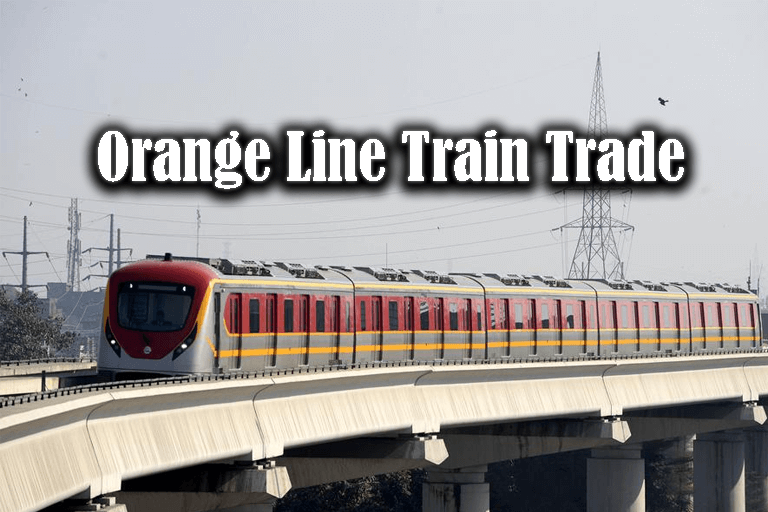
The orange line train trade has emerged as a significant driver of economic activity in Pakistan’s urban landscape, particularly in Lahore. Since the launch of the Orange Line Metro Train, trade patterns around transit corridors have transformed rapidly. From small vendors and retail shops to real estate and service-based businesses, the Orange Line has reshaped how commerce operates in surrounding areas.
Understanding the orange line train trade is important because large-scale transport infrastructure does more than move people—it stimulates local economies, creates jobs, boosts connectivity, and encourages new business models. This article explores the economic impact, trade opportunities, challenges, and future potential of the Orange Line Train system.
What Is the Orange Line Train Trade?
The orange line train trade refers to the commercial, retail, service, and economic activities that have developed along the Orange Line Metro Train route. These include:
- Small shops near stations
- Food stalls and kiosks
- Real estate development
- Transport and logistics services
- Advertising and branding opportunities
The Orange Line connects major residential and commercial zones, allowing trade to flourish through improved accessibility and customer flow.
Orange Line Train Route and Trade Zones
The Orange Line runs through densely populated areas of Lahore, including:
- Dera Gujran
- Shalimar Gardens
- Lakshmi Chowk
- GPO
- Anarkali vicinity
- Multan Road
These areas have historically been commercial hubs. The arrival of the metro train has intensified trade activity by increasing daily footfall.
Impact of Orange Line Train Trade on Small Businesses
One of the most visible effects of the orange line train trade is the growth of small and medium enterprises (SMEs).
Increased Customer Access
Shops near stations benefit from thousands of daily commuters, leading to higher sales volumes.
Growth of Informal Trade
Street vendors, food carts, and service stalls have multiplied around stations, creating livelihood opportunities.
Lower Marketing Costs
High visibility near metro stations reduces the need for expensive advertising.
Real Estate and Property Trade Boost
The orange line train trade has significantly influenced property markets:
- Increased demand for commercial shops
- Rising rental values near stations
- Development of plazas and mixed-use buildings
Investors consider proximity to the Orange Line a major advantage, leading to long-term asset appreciation.
Employment Generation Through Orange Line Train Trade
The metro system has directly and indirectly created thousands of jobs:
- Station staff and operations
- Security and maintenance
- Retail workers
- Construction and infrastructure services
The orange line train trade has played a crucial role in absorbing urban workforce, especially youth and daily wage earners.
Transport, Logistics, and Supply Chain Benefits
Improved mobility has optimized supply chains:
- Faster movement of goods
- Reduced transport costs
- Reliable delivery schedules
Businesses along the route can source products efficiently, making the orange line train trade more competitive.
Advertising and Branding Opportunities
Metro stations and trains offer premium advertising space. Brands benefit from:
- High daily impressions
- Targeted urban audience
- Long-term visibility
This has added a new revenue stream linked directly to the orange line train trade ecosystem.
Challenges Facing Orange Line Train Trade
Despite its benefits, the orange line train trade faces challenges:
Displacement of Traditional Vendors
Some small traders were displaced during construction, affecting livelihoods.
Congestion Near Stations
High footfall can cause traffic and crowd management issues.
Uneven Trade Distribution
Not all stations experience equal commercial growth.
Addressing these issues through inclusive planning is essential for sustainable trade growth.
Role of Government and Policy Support
To maximize benefits, authorities can:
- Allocate vending zones
- Support small traders with licenses
- Improve station-area infrastructure
- Encourage public-private partnerships
Strong policy support can enhance the orange line train trade while ensuring social balance.
Future Outlook of Orange Line Train Trade
The future looks promising due to:
- Expansion of metro networks
- Integration with feeder bus routes
- Growth of transit-oriented development (TOD)
- Increased urban population
Experts believe the orange line train trade will become a model for other cities like Karachi, Rawalpindi, and Peshawar.
Conclusion
The orange line train trade has transformed urban commerce by improving connectivity, stimulating business growth, and generating employment. While challenges exist, strategic planning and inclusive policies can ensure long-term benefits for traders, commuters, and investors alike. Infrastructure projects like the Orange Line are not just transport solutions—they are economic engines driving progress toward a stronger and more inclusive Mazboot Pakistan.
Frequently Asked Questions – Orange Line Train Trade
What is orange line train trade?
It refers to business and commercial activities developed around the Orange Line Metro Train route.
How has the Orange Line affected local businesses?
It has increased customer flow, boosted sales, and created new trade opportunities.
Does the Orange Line impact real estate trade?
Yes, properties near stations have higher demand and increased value.
Are small traders benefiting from orange line train trade?
Many vendors benefit from increased footfall, though some need better regulation and support.
Can this trade model work in other cities?
Yes, similar metro systems can replicate the orange line train trade model nationwide.