
Introduction
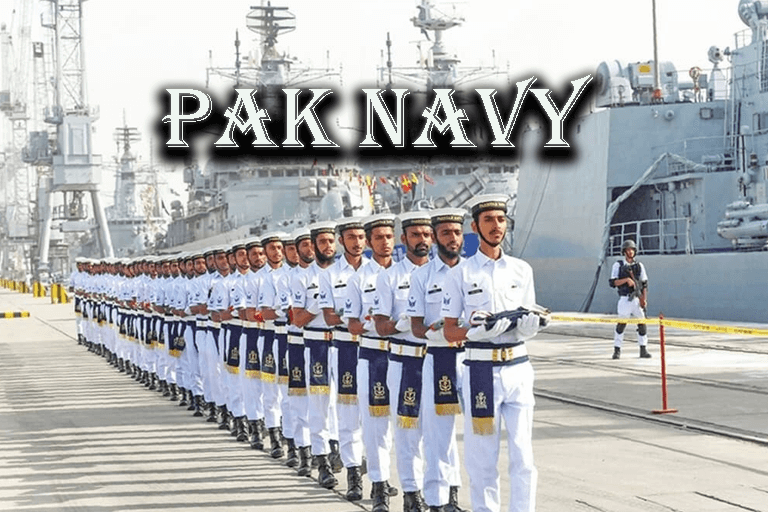
Pak Navy is a vital pillar of Pakistan’s armed forces, responsible for protecting the country’s maritime borders, sea trade routes, and national interests. As Pakistan’s coastline stretches over 1,000 kilometers along the Arabian Sea, the role of Pak Navy becomes crucial in ensuring maritime security, economic stability, and regional peace.
From safeguarding ports like Karachi and Gwadar to participating in international naval exercises, Pak Navy plays a strategic role in both defense and diplomacy. This article provides an in-depth look at the history, responsibilities, capabilities, and future vision of Pak Navy.
History and Evolution of Pak Navy
The foundation of Pak Navy was laid in 1947 after the independence of Pakistan. Initially, the navy had limited resources, but over time it evolved into a modern and capable maritime force.
Key Historical Milestones
- Establishment in 1947
- Expansion during the 1965 and 1971 conflicts
- Modernization with submarines and missile systems
- Strategic focus after the development of Gwadar Port
Through continuous development, Pak Navy has strengthened its defensive and operational capabilities.
Core Responsibilities of Pak Navy
The primary mission of Pak Navy is to defend Pakistan’s maritime interests.
Major Responsibilities
- Protection of sea borders
- Security of ports and harbors
- Safeguarding sea trade and energy routes
- Countering maritime terrorism and piracy
- Search and rescue operations
Pak Navy ensures uninterrupted maritime trade, which is vital for Pakistan’s economy.
Strategic Importance of Pak Navy
Pakistan’s economy heavily depends on sea trade, with over 90% of trade conducted via maritime routes. Pak Navy ensures the safety of these routes, especially near critical chokepoints like the Strait of Hormuz.
Additionally, the development of CPEC and Gwadar Port has further increased the strategic importance of Pak Navy in regional and global geopolitics.
Fleet and Capabilities of Pak Navy
Pak Navy operates a balanced fleet equipped with modern technology.
Key Assets
- Frigates and missile boats
- Submarines with advanced stealth capabilities
- Naval aviation units
- Surveillance and reconnaissance systems
The navy continuously upgrades its fleet to counter emerging maritime threats.
Role in Regional and International Security
Pak Navy actively participates in multinational naval exercises and maritime security initiatives.
International Contributions
- Anti-piracy missions in the Arabian Sea
- Joint exercises with friendly navies
- Maritime security patrols
- Humanitarian assistance during disasters
These efforts enhance Pakistan’s global naval standing and strengthen diplomatic relations.
Training and Professional Development
The strength of Pak Navy lies in its highly trained personnel.
Training Institutions
- Pakistan Naval Academy
- Specialized technical and warfare schools
- Joint exercises with allied forces
Continuous training ensures professionalism, discipline, and operational excellence.
Pak Navy and Gwadar Port
Gwadar Port is a cornerstone of Pakistan’s economic future. Pak Navy plays a crucial role in securing Gwadar and nearby sea lanes, ensuring safe trade under the China-Pakistan Economic Corridor (CPEC).
The protection of Gwadar enhances investor confidence and regional connectivity.
Humanitarian and Rescue Operations
Beyond defense, Pak Navy contributes to humanitarian efforts.
- Disaster relief during floods and cyclones
- Search and rescue at sea
- Medical aid missions
These efforts reflect Pak Navy’s commitment to serving humanity alongside national defense.
Challenges Facing Pak Navy
Despite its strengths, Pak Navy faces several challenges:
- Expanding maritime threats
- Technological advancements by adversaries
- Need for continuous modernization
- Environmental and climate-related risks
Addressing these challenges requires sustained investment and innovation.
Future Vision of Pak Navy
The future strategy of Pak Navy focuses on:
- Fleet modernization
- Indigenous defense production
- Enhanced maritime surveillance
- Cyber and electronic warfare capabilities
These initiatives aim to strengthen Pakistan’s maritime defense in the coming decades.
Conclusion
The Pakistan Navy stands as a powerful symbol of national strength, resilience, and strategic foresight, embodying the country’s commitment to safeguarding its maritime boundaries and interests. Tasked with protecting Pakistan’s sea borders, exclusive economic zones, and vital maritime trade routes, the Navy plays a crucial role not only in national defense but also in ensuring the security of international shipping lanes that are essential for global trade.
Over the decades, the Pakistan Navy has evolved into a modern, technologically advanced force, emphasizing professional excellence, rigorous training, and operational readiness. Its capabilities span surface warfare, submarine operations, naval aviation, and coastal defense, ensuring a comprehensive security umbrella over Pakistan’s maritime frontiers. Beyond defense, the Navy also contributes to disaster relief, humanitarian missions, and regional stability, reflecting its commitment to broader national and international responsibilities.
Strategic partnerships and international cooperation with allied naval forces have further strengthened Pakistan Navy’s operational efficiency, allowing it to engage in joint exercises, share best practices, and participate in peacekeeping and anti-piracy operations. These initiatives not only enhance tactical readiness but also project Pakistan as a reliable and responsible maritime power in the region.
With ongoing modernization, acquisition of advanced naval vessels, and investment in human capital, the Pakistan Navy continues to safeguard the country’s maritime future. Its vigilance ensures the protection of national resources, uninterrupted trade, and the safety of Pakistan’s coastal communities. Ultimately, the Pakistan Navy serves as a cornerstone of national security, contributing significantly to Pakistan’s strategic stability, economic prosperity, and regional peace. By fortifying the nation’s maritime defense and projecting strength at sea, the Pakistan Navy lays the foundation for a secure, resilient, and Mazboot Pakistan.
Frequently Asked Questions– Pak Navy
1. What is the Pakistan Navy?
The Pakistan Navy is the maritime branch of the Pakistan Armed Forces, responsible for defending the country’s sea borders, protecting maritime trade routes, and ensuring coastal security. It plays a critical role in national defense, regional stability, and disaster relief operations.
2. What are the primary roles of the Pakistan Navy?
The Pakistan Navy performs a wide range of strategic and operational roles, including:
-
Protecting Pakistan’s maritime borders and exclusive economic zones (EEZs).
-
Securing international and domestic trade routes passing through the Arabian Sea.
-
Conducting naval defense operations, anti-piracy missions, and maritime surveillance.
-
Participating in regional peacekeeping, humanitarian aid, and disaster relief.
-
Supporting naval research, training, and technological advancement.
3. Where are the main bases of the Pakistan Navy?
Some key naval bases include:
-
Karachi: The main operational and logistic hub, housing major fleet units.
-
Ormara: A strategic base on the Makran Coast, supporting naval operations in the Arabian Sea.
-
Gwadar: A developing naval facility linked to regional trade and security.
-
Northern inland training centers for specialized naval education and professional training.
4. How does Pakistan Navy contribute to national security?
By safeguarding coastal areas, protecting trade routes, and maintaining maritime readiness, the Pakistan Navy ensures the security of the nation’s maritime borders. Its presence deters potential threats, supports the army and air force in joint operations, and ensures uninterrupted trade and resource protection.
5. What modernization efforts are being undertaken by Pakistan Navy?
The Pakistan Navy is undergoing continuous modernization to enhance operational capabilities. Key initiatives include:
-
Acquisition of advanced submarines, frigates, and missile systems.
-
Upgrades to radar, surveillance, and communication systems.
-
Investment in naval aviation and specialized training programs.
-
Strengthening international cooperation through joint exercises and strategic partnerships.
6. Can civilians join the Pakistan Navy?
Yes. The Pakistan Navy recruits civilians through:
-
Naval cadet programs for officers (after FSc or equivalent education).
-
Specialized technical and engineering positions for graduates in science, IT, and engineering fields.
-
Enlisted personnel positions for individuals seeking careers in operations, logistics, or technical support.
All recruits undergo rigorous training at naval academies to ensure professional excellence and readiness.
7. Does the Pakistan Navy participate in international missions?
Yes. The Pakistan Navy actively engages in:
-
Joint naval exercises with allied countries to enhance tactical coordination.
-
Anti-piracy operations in the Arabian Sea and Indian Ocean.
-
Humanitarian missions and disaster relief during floods, earthquakes, and other emergencies.
These efforts strengthen regional security and Pakistan’s reputation as a responsible maritime power.
8. Why is the Pakistan Navy important for a Mazboot Pakistan?
By protecting sea borders, securing trade routes, fostering regional stability, and supporting national development, the Pakistan Navy is a cornerstone of Pakistan’s strategic defense and economic resilience. Its vigilance ensures that the nation remains secure, its maritime resources protected, and its role as a regional power strengthened—contributing directly to a safe, strong, and Mazboot Pakistan.