
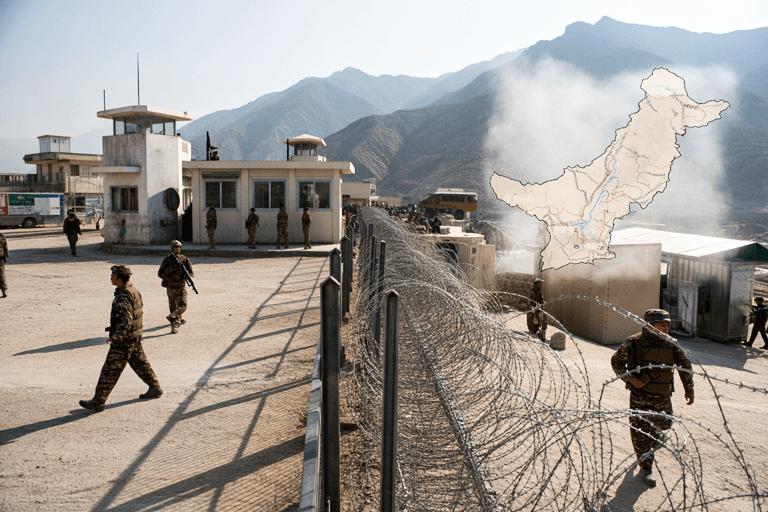
The Pakistan-Afghanistan border has been a historically sensitive region, with tensions occasionally flaring up due to security, political, and cross-border issues. Keeping up with the latest updates is crucial for understanding regional stability, trade, and security dynamics.
Overview of the Pakistan-Afghanistan Border
The border between Pakistan and Afghanistan, known as the Durand Line, stretches over 2,600 kilometers. It passes through mountainous regions, tribal areas, and several major crossing points. Historically, disputes over border demarcation, refugee flows, and militant activities have caused tensions.
Key Border Points
- Torkham Crossing – Main trade and transit point in Khyber Pakhtunkhwa
- Chaman Crossing – Strategic point in Balochistan
- Khyber Pass – Historically significant and militarily sensitive
Recent Tensions and Causes
-
Security Incidents
Cross-border militant attacks, shelling, and infiltration attempts have led to heightened security measures. Pakistan has increased border patrols, surveillance, and checkpoints to secure its territories.
-
Refugee and Migration Issues
The movement of Afghan refugees into Pakistan has occasionally strained resources and led to political friction, especially in border districts like Khyber, Bajaur, and Chaman.
-
Political Disputes
Diplomatic disagreements between the two countries over border management, trade tariffs, and counter-terrorism cooperation often exacerbate tensions.
-
Trade Disruptions
Border closures due to security alerts or political disagreements impact trade, causing delays in the import and export of goods.
Government Measures and Military Coordination
-
Pakistan’s Response
- Deployment of additional troops along high-risk areas
- Construction of border fences and checkpoints
- Enhanced monitoring using drones and CCTV
-
Afghanistan’s Approach
- Strengthening local border security
- Negotiating with Pakistan for smoother trade and transit
- Diplomatic engagement to reduce misunderstandings
-
Bilateral Talks
Regular dialogue between Pakistani and Afghan officials aims to manage disputes, improve border management, and enhance security cooperation.
Impact of Border Tensions
-
Regional Security
Tensions can spill over into civilian areas, affecting safety, trade, and the livelihood of border communities.
-
Trade and Economy
Border closures or restrictions directly affect cross-border trade, impacting both countries’ economies.
-
Diplomatic Relations
Border incidents often lead to diplomatic protests, affecting broader Pakistan-Afghanistan relations.
-
Refugees and Humanitarian Issues
Frequent tension can disrupt the movement of refugees, humanitarian aid, and essential services in border regions.
Key Takeaways
- The Pakistan-Afghanistan border remains a strategically sensitive area.
- Continuous monitoring, bilateral cooperation, and diplomatic engagement are essential for stability.
- Security, trade, and refugee management are interlinked with border tensions.
Staying updated on developments ensures that the public, policymakers, and businesses can respond effectively to challenges arising at this critical border region.
FAQs – Pakistan Afghanistan Border Tension Updates
1. What are Pakistan Afghanistan border tension updates?
Pakistan Afghanistan border tension updates refer to real-time news, reports, and developments related to disputes, security issues, trade restrictions, or military actions along the Pakistan-Afghanistan border region.
2. Why do Pakistan and Afghanistan face recurring border tensions?
Border tensions usually arise due to security concerns, militant activity, cross-border movement, trade controls, and disagreements related to the Durand Line. Political instability in Afghanistan also affects bilateral relations.
3. Which border crossings are most affected during Pakistan Afghanistan border tension updates?
Most updates focus on major crossings such as Torkham, Chaman-Spin Boldak, and Ghulam Khan, where movement of people and goods may be restricted during heightened tensions.
4. Are trade activities affected by Pakistan Afghanistan border tension updates?
Yes. When tensions rise, trade trucks may face delays, imports and exports slow down, and Afghan transit goods may be temporarily halted, impacting both economies.
5. Do Pakistan Afghanistan border tension updates include military actions?
In some cases, updates may involve reports of skirmishes, firing incidents, or security deployments, especially when one side responds to perceived violations.
6. How do border tensions impact ordinary citizens?
Border-dependent communities, truck drivers, patients seeking medical visas, and traders may face difficulties due to closures, documentation checks, or security protocols.
7. Where can I get reliable Pakistan Afghanistan border tension updates?
Trusted sources include credible Pakistani news agencies, Afghan media, international outlets, government briefings, and security analysts who provide verified regional coverage.
8. Are diplomatic talks part of Pakistan Afghanistan border tension updates?
Yes. Many updates highlight dialogue between Islamabad and Kabul, focusing on counter-terrorism cooperation, border management, refugee policies, and trade agreements.
9. Do border tension updates affect Pakistan-Afghanistan travel visas?
Depending on the situation, delays or stricter requirements may apply. Travelers should always check the latest advisories before planning movement across the border.
10. Can border tensions ease in the future?
Analysts believe tensions can reduce through mutual dialogue, strict border management, counter-terror cooperation, and stable political relations. Progress depends on both governments’ willingness to cooperate.
Conclusion – Pakistan Afghanistan Border Tension Updates
The situation surrounding Pakistan Afghanistan border tension updates reflects a complex mix of security concerns, political instability, trade interests, and regional diplomacy. As both nations continue to navigate challenges linked to cross-border movements, militancy, and territorial disagreements, Pakistan Afghanistan border tension updates remain essential for citizens, traders, and policymakers who rely on accurate information and responsible reporting.
While tensions are real, stability is not beyond reach. With consistent diplomatic engagement, stronger border management, counter-terror cooperation, and regional support, progress is achievable. A peaceful and well-managed frontier benefits not just governments, but also families, businesses, and local communities who depend on connectivity and trade.
Most importantly, a secure border contributes to a stronger, more confident nation—supporting the vision of Mazboot Pakistan, where security, economic opportunity, and regional cooperation work together for long-term stability. As new Pakistan Afghanistan border tension updates emerge, the focus must remain on dialogue, mutual respect, and collective responsibility, ensuring that future headlines move away from conflict and toward lasting peace.