
The global shift towards sustainability is reshaping industries, and the automotive sector is no exception. In Pakistan, the electric vehicle (EV) market is gaining momentum, driven by government initiatives, consumer awareness, and the urgent need to address environmental challenges. This blog explores the latest developments in Pakistan’s EV market, shedding light on the current landscape, challenges, and future prospects.
Government Initiatives and Policy Framework
One of the most significant drivers of the EV market in Pakistan has been the government’s commitment to promoting electric vehicles. In 2019, the government introduced the Electric Vehicle Policy, aiming to achieve a 30% share of electric vehicles in the total auto market by 2030. This policy includes several incentives, such as reduced customs duties on EV imports, tax exemptions, and subsidies for local manufacturers.
In addition, the Pakistan Electric Vehicles Act, passed in 2021, aims to facilitate the establishment of charging infrastructure and regulate the use of electric vehicles. These policies signal a clear intention to support the EV market and transition towards cleaner energy.
Growth of Local Manufacturing
As the demand for EVs increases, local manufacturers are beginning to enter the market. Companies like K-Electric, Pak Suzuki, and Indus Motor Company are investing in EV technology and production facilities. For instance, Pak Suzuki recently announced plans to launch its first electric model in the coming years, which could significantly impact the local market.
Moreover, startups like United Motors and MAVEN are making waves with innovative electric bikes and scooters, catering to the rising demand for eco-friendly two-wheelers. This local manufacturing growth not only helps to meet consumer demand but also contributes to job creation and economic development.
Charging Infrastructure Development
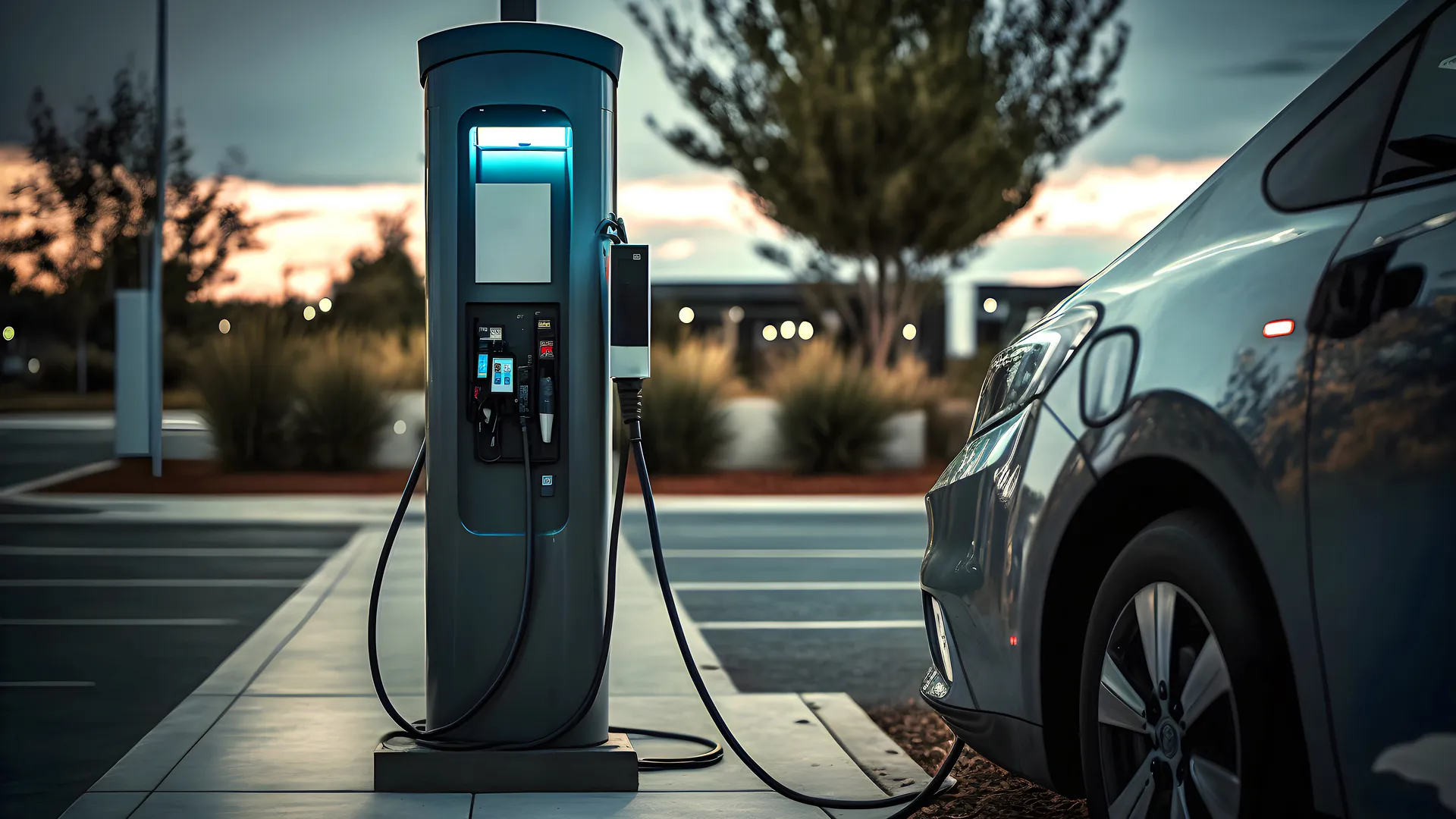
One of the critical challenges for EV adoption is the lack of charging infrastructure. However, recent developments indicate a positive trend. The government, along with private companies, is working to establish a network of charging stations across major cities. K-Electric has initiated projects to install charging stations in urban areas, making it more convenient for EV owners to charge their vehicles.
Furthermore, collaborations between local governments and private enterprises are emerging to expand charging infrastructure. For instance, partnerships with utility companies aim to integrate EV charging solutions into existing energy grids, ensuring efficient and reliable charging options for users.
Consumer Awareness and Demand
As awareness of environmental issues grows, so does consumer interest in electric vehicles. Many consumers are becoming increasingly aware of the long-term cost savings associated with EVs, including lower fuel and maintenance costs. The introduction of affordable models has also made EVs more accessible to a broader audience.
Social media campaigns and awareness programs are further educating the public about the benefits of electric vehicles, from reducing carbon footprints to contributing to cleaner air quality. This growing awareness is critical in shifting consumer preferences toward more sustainable transportation options.
Challenges Facing the EV Market
Despite the positive developments, the EV market in Pakistan faces several challenges. One major hurdle is the high initial cost of electric vehicles compared to traditional combustion engine vehicles. Although government incentives help mitigate costs, many consumers still find EVs relatively expensive.
Additionally, there are concerns about the reliability and availability of charging infrastructure. For potential buyers, the fear of running out of charge—often referred to as “range anxiety”—remains a significant barrier. Ensuring that charging stations are readily available and operational will be crucial for encouraging more consumers to make the switch to electric.
Moreover, the country’s energy crisis poses a challenge for the EV sector. Frequent power outages and a reliance on fossil fuels for electricity generation can undermine the benefits of switching to electric vehicles. Addressing these energy supply issues will be essential for the long-term success of the EV market.
Future Prospects
Looking ahead, the future of the EV market in Pakistan appears promising. With continued government support, increasing investment in local manufacturing, and growing consumer interest, the foundation for a thriving EV market is being laid.
Technological advancements in battery production and energy storage solutions will further enhance the feasibility of electric vehicles. As global trends move toward greener technology, local manufacturers will likely seek partnerships with international firms to innovate and improve their offerings.
Moreover, the potential for exporting locally manufactured electric vehicles to neighboring countries presents an exciting opportunity for Pakistan’s economy. If local companies can establish a strong foothold in the EV market, they may tap into a broader regional market, boosting economic growth and creating more jobs.
Conclusion
Pakistan’s EV Market is rapidly emerging as a key driver of economic growth, innovation, and sustainable development in the country. By investing in Pakistan’s EV Market, the nation can reduce dependence on fossil fuels, promote green technology, and create new employment opportunities. Pakistan’s EV Market offers tremendous potential for local manufacturers, entrepreneurs, and consumers, positioning Pakistan as a competitive player in the global electric vehicle industry. Government incentives, infrastructure development, and private sector participation are critical for accelerating Pakistan’s EV Market growth.
As highlighted by Mazboot Pakistan, strengthening Pakistan’s EV Market is essential for building a greener, more resilient, and technologically advanced nation. Strategic initiatives in Pakistan’s EV Market will not only boost innovation and investment but also contribute to environmental sustainability and energy efficiency. Emphasizing Pakistan’s EV Market ensures that the country stays on the path of progress while empowering its youth, industries, and communities. Ultimately, Pakistan’s EV Market is a symbol of a forward-looking vision, aligning economic growth with sustainability and creating a Mazboot Pakistan for generations to come.