
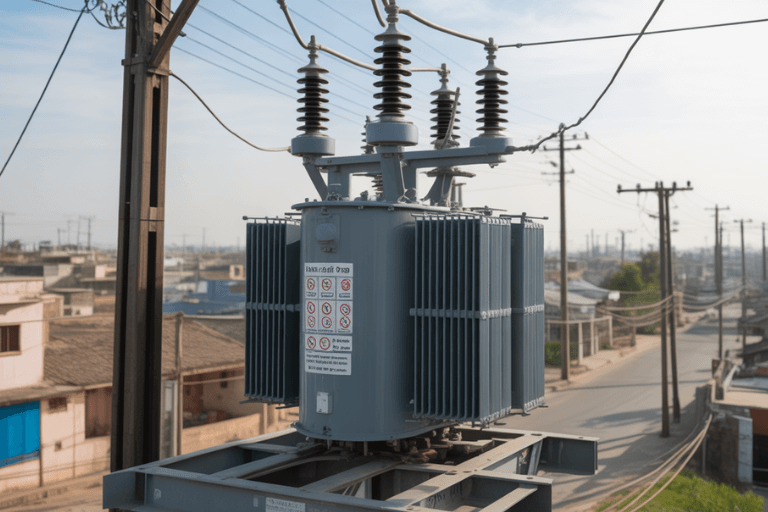
Introduction
PMT Electric, also known as a Pole-Mounted Transformer (PMT), plays an essential role in Pakistan’s electrical distribution system. From residential neighborhoods to rural areas, PMTs help convert high-voltage electricity into usable voltage for homes, markets, industries and public buildings. Understanding how PMT Electric works, why it is necessary, and how it impacts daily electricity supply is important—especially in areas where voltage issues, transformer faults, and overload complaints are common.
This article provides a detailed, SEO-optimized explanation of PMT Electric, its working, its importance in Pakistan’s power infrastructure, common problems, solutions, and tips for better electricity safety.
What is PMT Electric?
PMT Electric refers to a Pole-Mounted Transformer, a type of electrical transformer installed on a pole. Utility companies like LESCO, K-Electric, FESCO, PESCO, IESCO, GEPCO, and MEPCO use PMTs for distributing electricity at safe voltage levels.
Key Purpose
- Steps down high voltage (11,000V) to low voltage (220V/440V)
- Distributes electricity to households and commercial areas
- Maintains stable voltage flow
- Reduces line losses
- Supports large load distribution in crowded neighborhoods
PMT Electric is a backbone of Pakistan’s local distribution system.
How Does Work?
PMT Electric works by converting high-voltage power from the grid into lower voltage, making it safe for home appliances and industrial usage.
Working Process
- High-voltage power (11kV) arrives from the feeder.
- The PMT reduces this to 220V single-phase or 440V three-phase.
- Electricity is distributed through LT lines to houses and businesses.
This ensures consistent, safe, and manageable power flow.
Types of PMT Electric
Different areas require different PMT capacities based on load:
-
Small Capacity PMT (25–50 kVA)
Used in villages or low-population areas.
-
Medium Capacity PMT (100–200 kVA)
Most common in urban neighborhoods.
-
Large Capacity PMT (250–500+ kVA)
Used in markets, industries, apartments, and commercial zones.
Why PMT Electric is Important in Pakistan
Pakistan’s electrical system heavily relies on PMTs to maintain stable distribution. Without PMT Electric:
- Overload issues would increase
- Appliances would burn due to high voltage
- Power outages would become frequent
- Distribution cannot reach localized areas
Some regions have shared PMTs, which often leads to overload and frequent breakdowns. Utility companies upgrade PMTs based on load demand.
Common PMT Electric Problems in Pakistan
-
Overloading
Too many houses connected to one PMT causes overheating and shutdown.
-
Transformer Oil Leakage
Leaking oil reduces cooling efficiency and can cause transformer failure.
-
Low Voltage Issues
Long LT lines or large consumer loads cause voltage drops.
-
Technical Faults
Internal coil damage, burning smell, or earthing failure.
-
Theft & Illegal Connections (Kunda System)
This is one of the biggest causes of PMT overload in cities.
Solutions to PMT Electric Problems
Load Balancing
Utility companies split consumers into phases for uniform distribution.
PMT Upgradation
Replacing old, small-capacity PMTs with new, higher-capacity ones.
Regular Maintenance
Oil filtration, earthing checks, and conductor tightening reduce faults.
Replacing Damaged Equipment
Installing new insulators, fuses, or lines.
How to Check PMT Electric Issues in Your Area
Consumers can contact:
- LESCO Helpline
- MEPCO Helpline
- K-Electric (118 / SMS 8119)
- WAPDA Complaint Center
They can provide updates about:
- PMT faults
- Load shedding schedule
- Transformer replacement
- Electricity restoration time
PMT Electric Safety Tips
To stay safe around PMT installations:
- Never touch PMT poles, wires, or metal parts
- Maintain distance during rain
- Report sparks or oil leakage
- Avoid installing shops under PMT poles
- Do not connect illegal wires
Conclusion
PMT Electric is a vital part of Pakistan’s electrical infrastructure. It helps deliver safe, reliable, and stable power to millions of consumers every day. Understanding PMT systems helps people identify problems quickly, report faults effectively, and stay safe from electrical hazards. As the population and electricity consumption grow, the importance of well-maintained PMTs will continue to increase across Pakistan.