
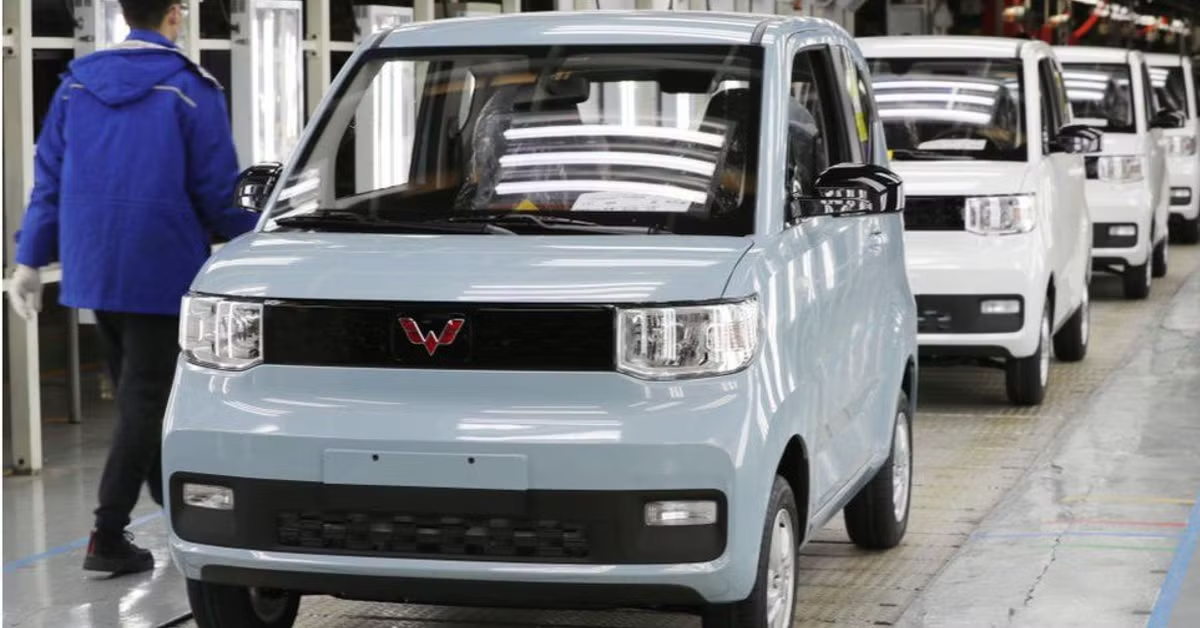
The global shift towards sustainability has given rise to various innovative technologies, with electric vehicles (EVs) at the forefront of this transition. In Pakistan, the adoption of electric vehicles has gained momentum, driven by a combination of government initiatives, environmental concerns, and economic opportunities. However, while the rise of EVs presents significant prospects for the nation, it also brings a set of challenges that must be addressed to ensure a successful transition.
The Landscape of Electric Vehicles in Pakistan
Historically, Pakistan’s automotive industry has been dominated by gasoline-powered vehicles. However, the increasing air pollution, reliance on fossil fuels, and fluctuating oil prices have prompted a reevaluation of transportation policies. The government has recognized the need to diversify its energy sources, and the introduction of the National Electric Vehicle Policy in 2020 marks a pivotal moment in this evolution.
The policy aims to promote the manufacturing and use of electric vehicles, with a target of converting 30% of the total vehicle fleet to electric by 2030. This initiative is part of a broader strategy to reduce carbon emissions and combat climate change, aligning with Pakistan’s commitments under the Paris Agreement.
Opportunities Presented by Electric Vehicles
1. Environmental Benefits
One of the most compelling reasons for the adoption of electric vehicles is the environmental impact. EVs produce zero tailpipe emissions, which can significantly reduce air pollution in urban areas. In cities like Lahore and Karachi, where smog and air quality issues are pressing concerns, the transition to electric mobility can contribute to improved public health and a cleaner environment.
2. Economic Incentives
The Pakistani government has introduced various incentives to promote electric vehicle usage, including reduced import duties on EV components and tax exemptions for manufacturers. This has encouraged local assembly plants to consider electric vehicle production, potentially leading to job creation and technological advancements in the automotive sector.
3. Energy Independence
Pakistan is heavily reliant on imported oil, making it vulnerable to global oil price fluctuations. Electric vehicles present an opportunity for the country to reduce its dependence on fossil fuels by tapping into renewable energy sources. With abundant solar and wind resources, Pakistan has the potential to generate electricity sustainably, supporting the EV ecosystem.
4. Technological Advancement
The rise of electric vehicles can stimulate technological innovation in Pakistan. As manufacturers and startups explore EV technology, there is potential for advancements in battery production, charging infrastructure, and smart grid technology. This can position Pakistan as a regional leader in the burgeoning EV market.
Challenges to Overcome
1. Infrastructure Development
Despite the potential benefits, the lack of charging infrastructure remains a significant barrier to the widespread adoption of electric vehicles. Currently, there are only a limited number of charging stations in major cities. To facilitate EV usage, a robust and accessible charging network is essential. This requires substantial investment from both the government and private sector to build charging stations across urban and rural areas.
2. High Initial Costs
Electric vehicles typically have higher upfront costs compared to their gasoline counterparts. While the operating costs of EVs are lower over time, the initial investment can deter potential buyers. The government needs to explore ways to subsidize these costs or offer financing options to make EVs more accessible to the average consumer.
3. Limited Awareness and Education
Consumer awareness about electric vehicles is still limited in Pakistan. Many potential buyers remain skeptical about the reliability, range, and benefits of EVs. Public awareness campaigns and educational initiatives can help dispel myths and provide information about the advantages of switching to electric mobility.
4. Policy and Regulatory Framework
The transition to electric vehicles requires a cohesive policy framework that addresses various aspects of the industry, including manufacturing, import regulations, and environmental standards. Ensuring that the policy landscape is conducive to growth will require ongoing collaboration between the government, industry stakeholders, and environmental organizations.
Conclusion – The Rise of Electric Vehicles in Pakistan
The Rise of Electric Vehicles in Pakistan marks a transformative moment in the country’s journey toward sustainable transportation, environmental preservation, and economic growth. By embracing the rise of electric vehicles in Pakistan, the nation has the opportunity to reduce carbon emissions, decrease dependence on fossil fuels, and promote clean, green energy solutions. The trend of the rise of electric vehicles in Pakistan is gaining momentum as manufacturers, investors, and policymakers recognize the potential of EV technology to revolutionize mobility while boosting the economy.
Supporting the rise of electric vehicles in Pakistan requires comprehensive planning, including investment in charging infrastructure, incentives for EV adoption, and public awareness campaigns. By prioritizing the rise of electric vehicles in Pakistan, Pakistan can create a favorable regulatory environment, encourage innovation, and attract domestic and international investment in the electric mobility sector. This focus on the rise of electric vehicles in Pakistan also contributes to job creation, skill development, and technological advancement, fostering a thriving ecosystem for sustainable transportation.
The journey of the rise of electric vehicles in Pakistan aligns perfectly with the vision of a Mazboot Pakistan, where environmental sustainability, economic resilience, and technological progress go hand in hand. By promoting the rise of electric vehicles in Pakistan, the country can position itself as a regional leader in clean energy transportation, inspiring neighboring nations while benefiting from global trends. Every step taken toward embracing the rise of electric vehicles in Pakistan strengthens national infrastructure, supports green policies, and enhances the quality of life for citizens.
In conclusion, the rise of electric vehicles in Pakistan is not merely a shift in transportation—it is a movement toward a cleaner, greener, and more economically vibrant future. By fully embracing the rise of electric vehicles in Pakistan, Pakistan can overcome challenges, leverage innovation, and build a sustainable automotive ecosystem. This transition ultimately contributes to a Mazboot Pakistan, where environmental responsibility, economic growth, and technological advancement define the nation’s path toward a brighter and more prosperous future.