
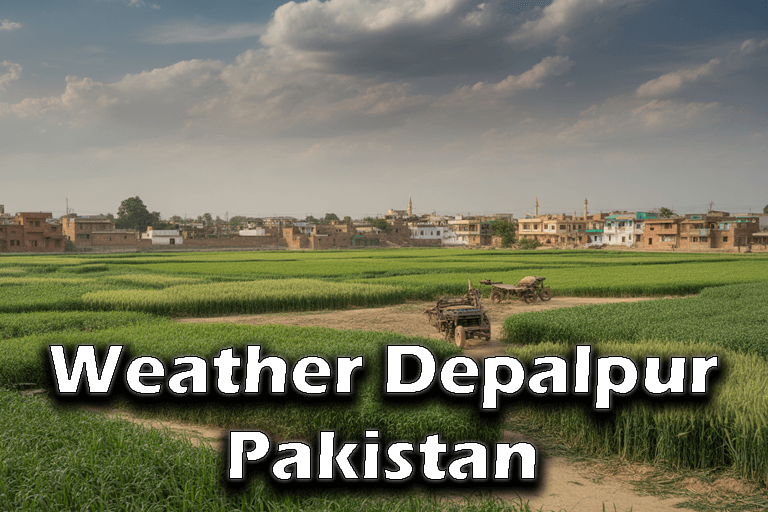
Introduction to Weather in Depalpur, Pakistan
Weather in Depalpur, Pakistan plays an important role in shaping the daily routines, agriculture, and lifestyle of local residents. Depalpur is a historic city located in Okara District, Punjab, and experiences a typical plains climate marked by extreme summers, moderate winters, and seasonal monsoon rainfall.
Understanding Depalpur’s weather patterns is essential for farmers, students, travelers, and anyone planning activities in the region. From scorching heatwaves to foggy winter mornings, the city’s climate influences every aspect of life.
Geographical Factors Affecting Depalpur Weather
Depalpur lies in the fertile plains of central Punjab, surrounded by agricultural land. Its flat terrain and inland location significantly influence weather conditions.
Key geographical factors include:
- Distance from coastal areas
- Flat agricultural plains
- Seasonal wind patterns
- Monsoon systems entering Punjab
These factors contribute to temperature extremes, especially during summer months.
Summer Season in Depalpur
Extreme Heat and Dry Conditions
Summer in Depalpur begins around April and lasts until September, with May, June, and July being the hottest months. During this period, weather in Depalpur Pakistan becomes extremely hot and dry, especially in June.
Temperatures often rise sharply during daytime, making outdoor activities difficult. Heatwaves are common, and residents adjust daily routines to avoid midday heat.
Summer characteristics:
- Very high daytime temperatures
- Hot and dry winds
- Increased electricity and water usage
- Reduced outdoor movement in afternoons
Early mornings and evenings are preferred for work and travel during summer.
Monsoon Season and Rainfall in Depalpur
Seasonal Relief from Heat
The monsoon season usually arrives in July and continues through August and early September. During this time, Depalpur weather becomes more humid, and rainfall brings relief from extreme heat.
Monsoon rains are vital for agriculture, particularly for crops like rice, maize, and fodder.
Monsoon highlights:
- Increased humidity
- Intermittent rainfall
- Cooler evenings
- Improved crop growth
Occasionally, heavy rainfall may cause water accumulation in low-lying areas, but overall it supports the local economy.
Winter Season in Depalpur
Mild and Pleasant Weather
Winter in Depalpur typically starts in November and lasts until February. Compared to summer, winters are mild and comfortable, making this season favorable for daily activities.
Mornings can be foggy during December and January, while nights are cool. Daytime weather remains pleasant.
Winter features:
- Cool nights
- Mild daytime temperatures
- Foggy mornings
- Comfortable travel conditions
Winter is ideal for outdoor events, farming activities, and travel.
Spring and Autumn – Transitional Seasons
Spring and autumn are relatively short but noticeable in Depalpur’s climate cycle.
Spring (February to March)
- Moderate temperatures
- Green fields and blooming crops
- Fresh breeze
Autumn (October)
- Gradual decrease in heat
- Clear skies
- Comfortable evenings
These transitional seasons provide a balance between extreme weather conditions.
Monthly Weather Overview of Depalpur
- January – February: Cold mornings, mild afternoons
- March – April: Warming temperatures, spring conditions
- May – June: Extreme heat and dry weather
- July – August: Monsoon rains, high humidity
- September: Reduced rainfall, warm days
- October: Pleasant autumn climate
- November – December: Cool temperatures, foggy mornings
This monthly breakdown helps residents plan farming, travel, and events effectively.
Impact of Depalpur Weather on Agriculture
Agriculture is the backbone of Depalpur’s economy, and weather conditions directly influence crop yield.
- Summer heat supports crops like cotton and sugarcane
- Monsoon rains benefit rice and maize
- Winter weather supports wheat cultivation
Farmers closely monitor weather updates in Depalpur Pakistan to protect crops and manage irrigation efficiently.
How Depalpur Weather Affects Daily Life
Weather patterns influence lifestyle choices in Depalpur:
- Summer encourages early work schedules
- Monsoon increases indoor activities
- Winter supports social gatherings and travel
Understanding local weather helps residents stay healthy and productive throughout the year.
Climate Challenges and Awareness
Like many regions in Pakistan, Depalpur faces climate-related challenges such as:
- Increasing summer temperatures
- Irregular rainfall patterns
- Longer heatwaves
Raising awareness about climate change helps communities prepare for future weather shifts.
Frequently Asked Questions (FAQs)
What type of climate does Depalpur have?
Depalpur has a semi-arid plains climate with hot summers and mild winters.
Which is the hottest month in Depalpur?
June is generally the hottest month.
Does Depalpur receive monsoon rain?
Yes, Depalpur receives monsoon rainfall during July and August.
Is winter very cold in Depalpur?
Winters are mild, with cool nights and pleasant daytime temperatures.
Conclusion
Weather in Depalpur, Pakistan is a defining element of life in this historic Punjab city. With hot summers, beneficial monsoon rains, and mild winters, the climate supports agriculture while shaping daily routines. Understanding seasonal weather trends helps residents, farmers, and visitors plan better and stay prepared throughout the year.
Informative platforms like Mazboot Pakistan play an important role in spreading awareness about regional weather conditions and climate patterns across Pakistan.