
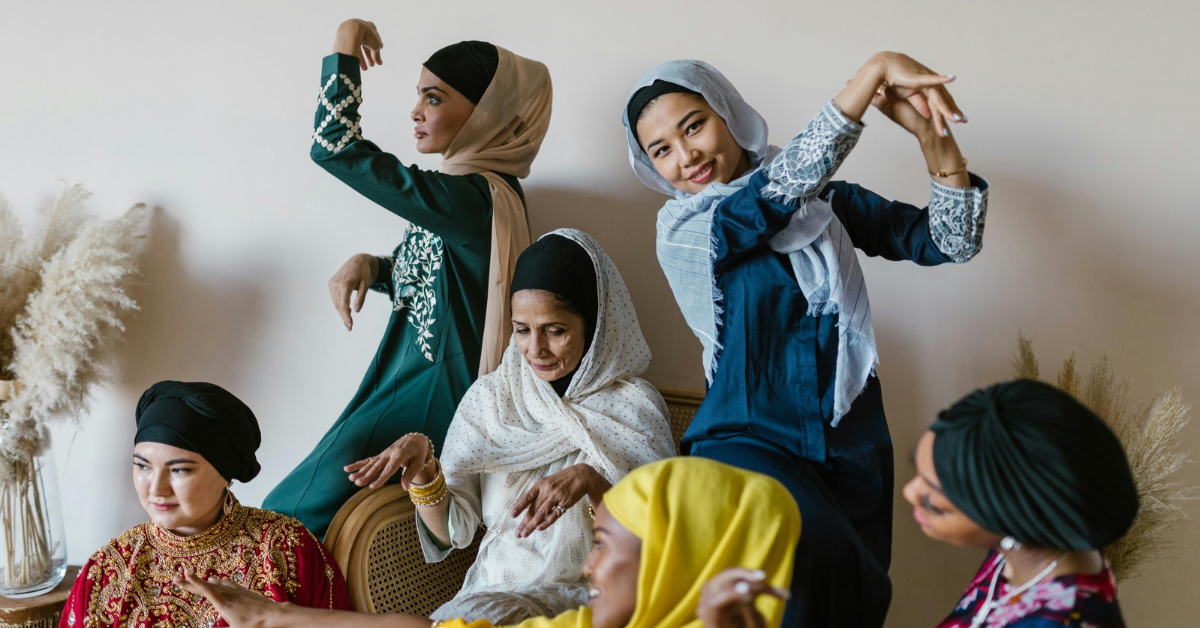
Women’s empowerment was at the forefront of Pakistan’s progress in 2024. With bold initiatives and groundbreaking achievements, women across the nation continued to break barriers and create lasting impact. Here’s how Pakistan moved closer to equality and inclusion:
1. Women-Led Startups on the Rise
Women entrepreneurs took the spotlight as funding and recognition for women-led startups surged. From tech innovations to handmade crafts, their ventures gained national and global attention.
2. Stronger Laws for Women’s Rights
Legal reforms improved the protection of women’s rights, addressing workplace harassment and domestic violence. These steps fostered a safer and more inclusive environment for women.
3. Workforce and Leadership Gains
More women entered diverse fields, from corporate roles to STEM careers. Leadership positions saw an increase in female representation, paving the way for a balanced and innovative workplace.
4. Empowering Rural Women
Vocational training programs enabled rural women to learn skills like tailoring, agriculture, and digital literacy, providing them with sustainable income opportunities.
5. Financial Inclusion Initiatives
Access to microloans and digital banking tools helped women start small businesses, save money, and manage finances, ensuring economic independence.
Women are shaping the future of Pakistan with their talent, resilience, and innovation. Together, we’re building a stronger and more inclusive nation.
Conclusion – Women Empowerment
Women-empowerment is more than a social initiative; it is a catalyst for national progress, economic growth, and sustainable development. Promoting women-empowerment ensures that women have equal access to education, employment, healthcare, and leadership opportunities. Across Pakistan, initiatives focusing on women-empowerment are creating pathways for women to participate actively in decision-making, entrepreneurship, and professional growth. By embracing women-empowerment, the nation strengthens its human capital, drives innovation, and fosters inclusive development.
The impact of women empowerment is visible in every sector—from business and technology to education and politics. Women who benefit from women empowerment programs are better equipped to contribute meaningfully to society, enhance family welfare, and inspire future generations. Social awareness campaigns, legal protections, and skill-building programs all play crucial roles in advancing women empowerment in Pakistan. These efforts not only uplift individuals but also foster stronger communities, reflecting the core values of a Mazboot Pakistan.
Investing in women empowerment ensures that Pakistan’s development is sustainable and equitable. When women are empowered, they contribute to economic growth, social cohesion, and national stability. Policies promoting women empowerment, such as access to microfinance, leadership training, and educational scholarships, are reshaping societal attitudes and encouraging greater participation of women in public life. Women empowerment is not a short-term goal; it is a long-term strategy for building a progressive and inclusive nation.
In conclusion, women empowerment is essential for achieving a Mazboot Pakistan, where equality, opportunity, and social justice prevail. By continuing to implement programs and policies that advance women empowerment, Pakistan can unlock the full potential of its population, drive economic prosperity, and establish itself as a nation committed to fairness, innovation, and resilience. The journey of women empowerment is ongoing, but every step taken strengthens the foundation of a stronger, more prosperous Mazboot Pakistan.
Frequently Asked Questions – Women Empowerment
1. What is women-empowerment?
Women empowerment is the process of providing women with equal rights, opportunities, and resources in education, employment, health, and leadership to help them achieve social, economic, and political independence.
2. Why is women-empowerment important?
Women empowerment is vital for creating a fair and inclusive society. Empowered women contribute to economic growth, social development, and stronger families, helping build a progressive nation.
3. How can women-empowerment be achieved?
Women empowerment can be achieved through education, skill development, access to healthcare, financial independence, legal protections, and leadership opportunities in various sectors.
4. What are the benefits of women-empowerment in Pakistan?
Women empowerment in Pakistan promotes economic participation, reduces gender inequality, enhances community development, and fosters a Mazboot Pakistan through active female contribution in multiple fields.
5. Are there government initiatives for women-empowerment in Pakistan?
Yes. Various initiatives focus on women’s education, entrepreneurship programs, microfinance support, legal rights awareness, and leadership training to promote women empowerment in Pakistan.
6. How does women-empowerment impact society?
Empowered women lead to healthier families, educated children, higher workforce participation, reduced poverty, and stronger social and economic systems.
7. Can women-empowerment reduce gender inequality?
Yes. By providing equal opportunities, access to resources, and legal protections, women empowerment directly addresses gender inequality in education, employment, and leadership.
8. How can individuals contribute to women-empowerment?
Individuals can support women empowerment by advocating for equal rights, mentoring women, promoting education, supporting women-owned businesses, and challenging societal stereotypes.
9. What role does women-empowerment play in achieving a Mazboot Pakistan?
Women empowerment strengthens the nation by maximizing human potential, boosting economic growth, and promoting social stability, all contributing to a Mazboot Pakistan.
10. Are women-empowerment programs effective?
Yes, especially when combined with policy support, awareness campaigns, and community involvement, women empowerment programs significantly improve the social and economic status of women.